AI Development Solutions in UX/UI Design: Transforming Trends for 2026
- The New Landscape of AI-Driven UX UI Design
- Hyper-Personalization Becomes the Norm
- Voice and Multimodal Interaction Design Expand
- Generative Design Workflows Become Standard
- Ethical and Responsible AI Design Gains Priority
- Predictive UX and Behavioral Anticipation Mature
- AI-Enhanced Prototyping and Usability Testing
- Autonomous UI Maintenance and Optimization
- Emotionally Intelligent Interfaces Emerge
- AI-Driven Accessibility Design Reaches New Heights
- Designing for AI-First Experiences
- The Road to 2026 and Beyond
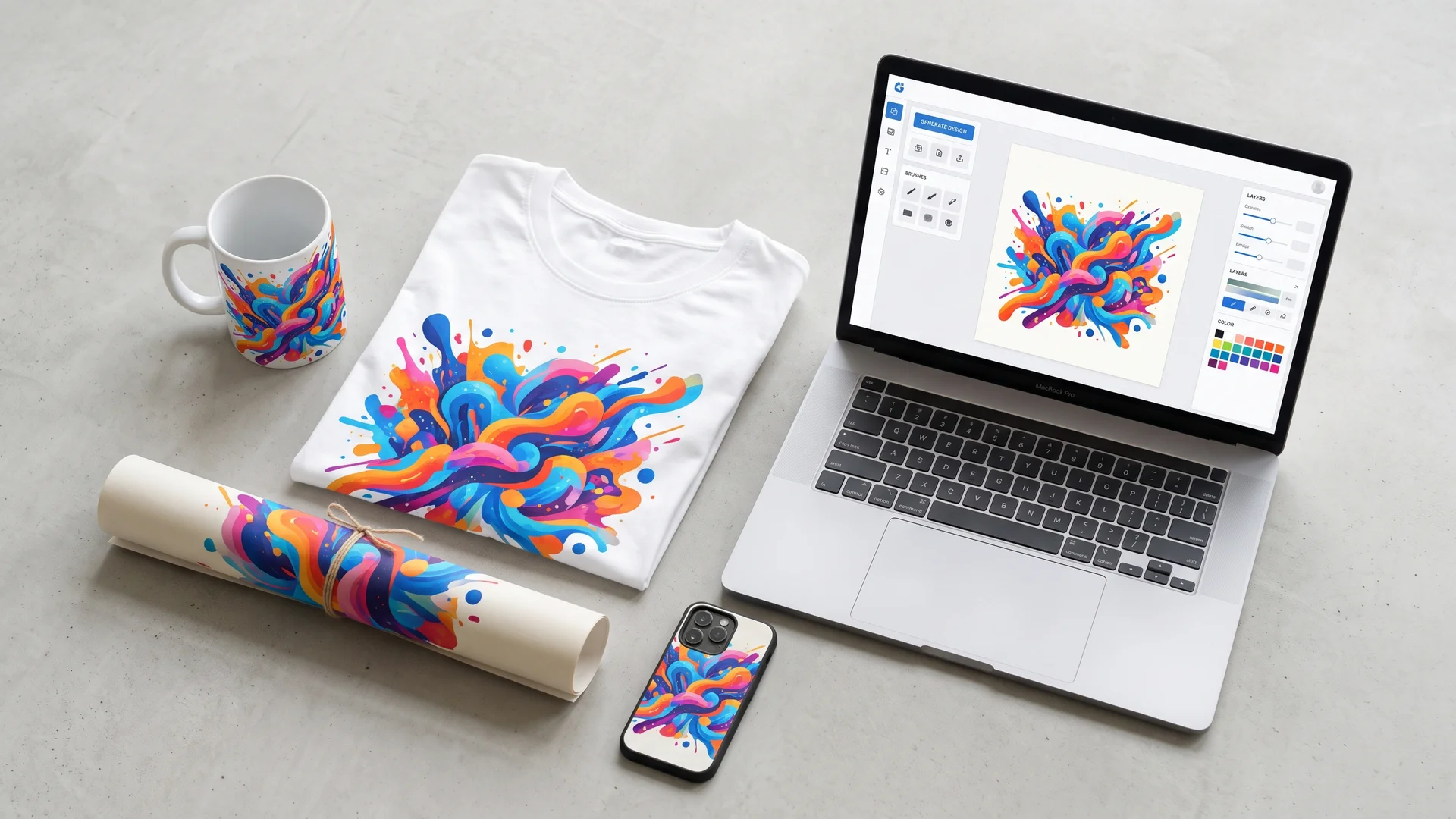
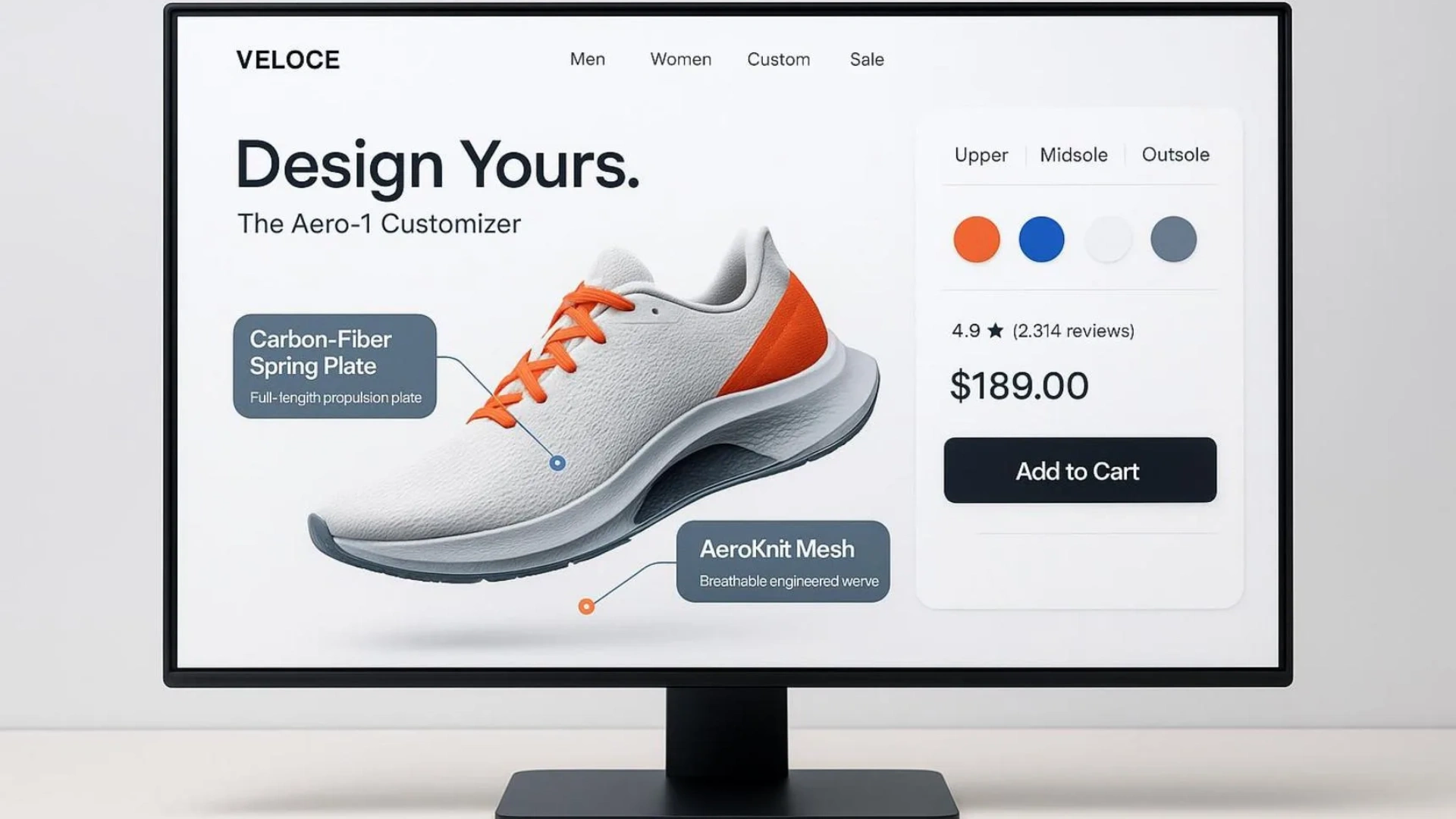
At the same time, the rise of generative AI development services is empowering designers to automate ideation, create complex layouts, and streamline prototyping processes. Designers who once spent hours drafting interface components now have generative AI tools that produce multiple variations instantly, allowing teams to iterate faster and focus more on creativity and strategy. With generative systems constantly learning from user behavior, UX/UI design is entering a new era of intelligent co-creation.
Professional UI Templates
The New Landscape of AI-Driven UX/UI Design
We are now seeing systems capable of analyzing millions of interaction data points to suggest micro-optimizations, from adjusting button sizes to reordering content elements depending on user context. This level of continual personalization enables more intuitive digital experiences that evolve alongside user behavior.
Hyper-Personalization Becomes the Norm
By 2026, designers are leveraging real-time preference modeling, adaptive content delivery, and context-aware UI elements. Apps now offer tailored layouts depending on whether a user is in a noisy environment, switching devices, or navigating with accessibility needs. As these AI features blend seamlessly into the design layer, users receive experiences that feel uniquely crafted just for them.
Voice and Multimodal Interaction Design Expand
Generative AI models now simulate user interactions across these modes, predicting where confusion may arise and suggesting improvements. This capability accelerates testing workflows and leads to more intuitive conversational interfaces, especially in e-commerce, healthcare, and enterprise platforms.
Generative Design Workflows Become Standard
These tools don’t replace designers, they enhance them. Generative systems act like tireless assistants capable of producing endless variations while maintaining consistency. As a result, designers can quickly validate ideas, explore creative directions, and test usability at scale.
Ethical and Responsible AI Design Gains Priority
Key areas of focus for 2026 include:
- Bias reduction in AI-driven personalization
- Transparent UI cues showing where AI is influencing content
- User-controlled data preferences built directly into interface flows
- AI explainability in decision-making systems
Responsible AI design has shifted from an optional best practice to a competitive necessity.
Ethical and Responsible AI Design Gains Priority
Key areas of focus for 2026 include:
- Bias reduction in AI-driven personalization
- Transparent UI cues showing where AI is influencing content
- User-controlled data preferences built directly into interface flows
- AI explainability in decision-making systems
Responsible AI design has shifted from an optional best practice to a competitive necessity.
Predictive UX and Behavioral Anticipation Mature
For example, productivity apps now predict user tasks based on past behavior, offering shortcuts or templates before the user begins typing. E-commerce platforms suggest product bundles based not only on purchase history but also on contextual signals like time, location, and even sentiment analysis from user reviews.
With more powerful models and better access to real-time data, predictive UX in 2026 feels more natural and less intrusive, enhancing usability without overwhelming users.
AI-Enhanced Prototyping and Usability Testing
- Heatmap predictions
- Path forecasting
- Real-time accessibility scoring
- Automated A/B/C testing simulations
- Persona modeling and behavior predictions
These advancements allow teams to identify friction points before a prototype enters user testing, reducing development costs and accelerating time to market.
Autonomous UI Maintenance and Optimization
In 2026, many enterprise platforms run continuous optimization cycles where AI monitors engagement metrics and supplies designers with weekly insights or direct recommendations. This shift moves companies toward truly evergreen user interfaces that age gracefully and stay effective without constant manual intervention.
Emotionally Intelligent Interfaces Emerge
This innovation is particularly impactful in:
- Healthcare apps monitoring mental well-being
- Educational platforms adapting difficulty levels
- Customer service interfaces detecting frustration
Emotionally intelligent designs create supportive, responsive environments that improve user satisfaction and retention.
AI-Driven Accessibility Design Reaches New Heights
- Auto-generate alt-text for images
- Suggest high-contrast color alternatives
- Identify missing accessibility metadata
- Predict accessibility issues before coding begins
- Provide real-time readability grading
Generative AI further enhances inclusivity by producing adaptive content versions for users with specific needs, such as dyslexia-friendly text or simplified UI flows for cognitive accessibility.
The Future: Designing for AI-First Experiences
This includes:
- Predictive search interfaces
- Autonomous dashboards
- Self-adapting navigation systems
- AI-guided onboarding
- Context-driven microinteractions
Instead of designing static pages, designers now think in terms of dynamic systems, states, and intelligently shifting components.
Conclusion: The Road to 2026 and Beyond
The future of design will be defined by interfaces that evolve in real time, understand user emotion and intent, and provide experiences tailored precisely to individual needs. As AI technology continues to mature, the boundaries of UX/UI design will continue expanding, ushering in an era of intuitive, adaptive, and human-centered digital environments.
By embracing these innovations, organizations can not only keep pace with the future but actively shape it, delivering experiences that resonate, inspire, and empower users in ways never before possible.
Disclaimer : If you buy something through our links, we may earn an affiliate commission or have a sponsored relationship with the brand, at no cost to you. We recommend only products we genuinely like. Thank you so much.



Write for us
Publish a Guest Post on Pixflow
Pixflow welcomes guest posts from brands, agencies, and fellow creators who want to contribute genuinely useful content.
Fill the Form ✏