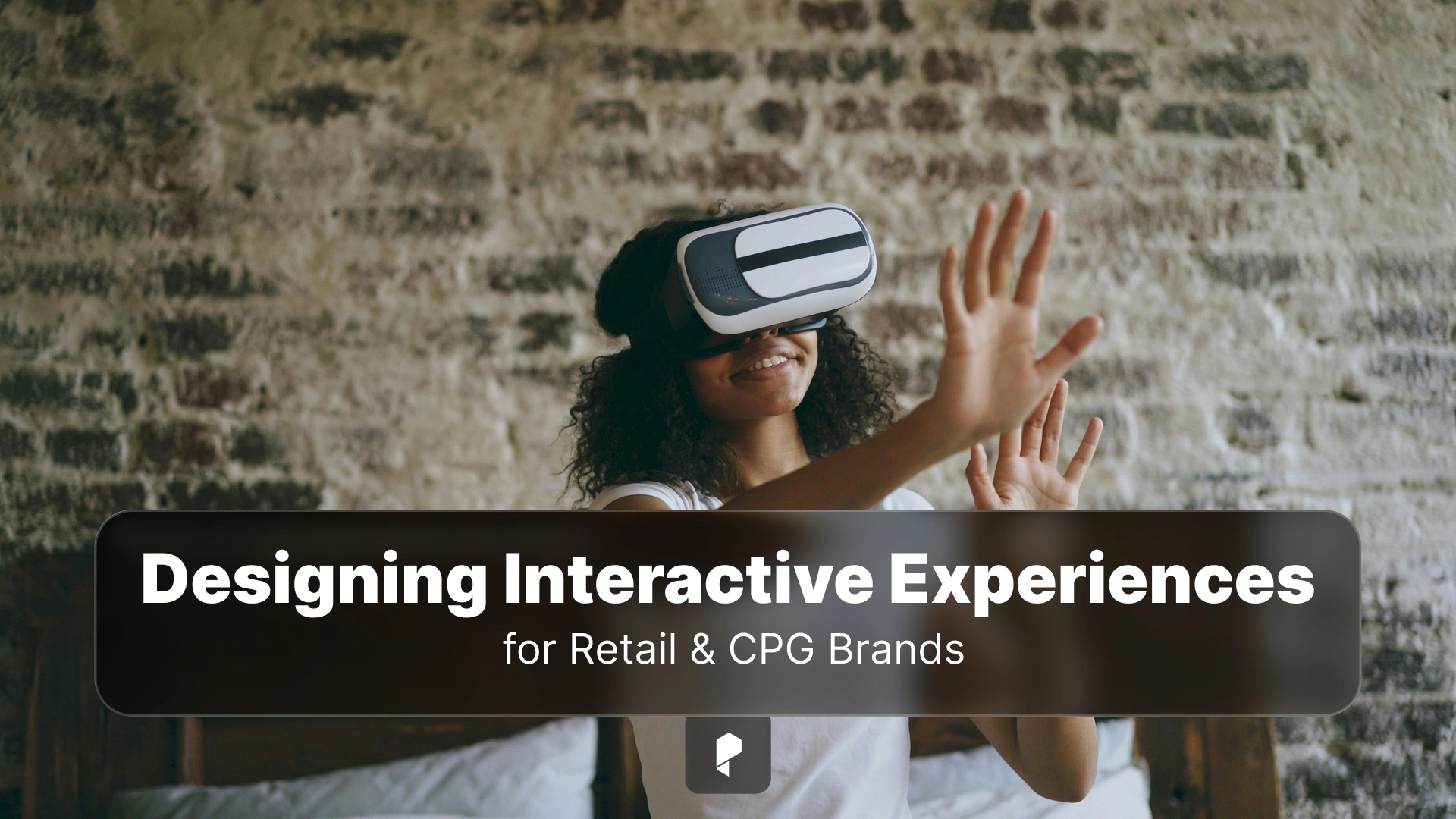
Designing Interactive Experiences for Retail & CPG Brands
This article looks at how technology reshapes brand-consumer relationships and which approaches actually deliver results.
Technology Foundation for New Interaction Formats
Augmented reality goes beyond mobile apps. Lush created AR mirrors in stores where you see product creation stories and ingredients. Zara launched AR windows — passersby see runway models when they point their phone cameras. These aren’t just marketing tricks. Data shows 20-30% conversion growth after people interact with AR content.
Gamification as an Engagement Engine
Mechanics borrowed from video games work because they satisfy basic psychological needs:
- Progress and achievement — feeling forward movement, accumulating points, raising status
- Social interaction — sharing successes, competing with friends
- Effort rewards — instant feedback, bonuses, exclusive product access
- Exploration and discovery — finding hidden features, secret offers
Duolingo showed how gamification drives audience retention — cosmetic brands now adapt techniques from their app to teach customers proper product usage.
Data-Driven Personalization
Ethical Dimensions of Data Collection
Personalization works when consumers trust the brand. GDPR in Europe and CCPA in California forced companies to rethink data handling approaches. Apple made privacy their competitive advantage, showing in ads what data each app collects.
Transparency becomes trust currency. Brands explain why they request certain information and how it improves experience. H&M lets you see all collected data in your profile and delete it with one click. Target sends personalized offers but allows adjusting personalization levels from minimal to maximum.
Physical Space as an Interactive Platform
- Customization zone where you create unique sneakers in 90 minutes
- AR fitting rooms with style advice from virtual consultants
- Basketball court for testing new models
- Mobile app integration for instant payment without queues
Samsung 837 in New York doesn’t sell products at all — it’s a pure experience space with VR attractions, recording studio, cinema, and cafe. Visitors test new releases, create content, and just hang out. This strategy builds emotional connections with the brand that later convert to sales through other channels.
Pop-Up Formats and Temporary Activations
Glossier opens temporary stores in different cities for several months. These spaces become Instagram locations thanks to thoughtful design and interactive elements. Kylie Cosmetics creates pop-ups where you get professional makeup and photo shoots in designated zones.
Adidas launched a series of temporary Speedfactory stores where sneakers get manufactured to individual foot parameters using robots. You watch the production process through glass walls. This doesn’t scale to all locations, but it creates stories that millions share on social media.
Artificial Intelligence in Customer Service
Voice commerce gains momentum. Walmart lets you add items to cart through Google Assistant. Whole Foods integrated with Alexa for voice product ordering. Recognition accuracy improved so much that errors became rare.
Predictive Analytics and Automation
Target uses machine learning to predict customer pregnancy based on purchase changes (their prediction story became a classic case about data ethics). Kroger analyzes billions of transactions to optimize each store’s assortment.
Virtual Spaces and the Metaverse
Generation Z spends hours in virtual worlds. For them, a digital avatar extends their personality, and they’ll pay for its uniqueness. Balenciaga released a collection for Fortnite. Louis Vuitton created skins for League of Legends. These aren’t experiments — they’re strategies for reaching new audiences.
NFTs and Digital Ownership
Nike sold virtual sneakers worth millions of dollars. Each pair — a unique NFT you can wear in the metaverse or sell on marketplaces.
Tiffany & Co. created CryptoPunks NFT Pendants — physical pendants based on digital images. CryptoPunks owners could order pendants featuring their characters, each handcrafted from diamonds and precious stones. Price — $50,000, and all 250 pieces sold out within hours.
The Future of Interactive Retail
Neuralink promises brain-computer interfaces. Apple works on augmented reality glasses replacing smartphones. TeslaBot might become the future sales consultant. Quantum computers will enable real-time consumer data analysis with incredible precision.
Brands investing in interactive experiences now build foundations for the next decade. Consumers won’t return to passive consumption. They want to be co-creators, participants, part of brand stories. Companies understanding and implementing this get loyalty impossible to buy with advertising.
Interactivity stopped being optional — it became the language brands use with their audiences. And the most interesting part? We’re still at the beginning of this story.
Disclaimer : If you buy something through our links, we may earn an affiliate commission or have a sponsored relationship with the brand, at no cost to you. We recommend only products we genuinely like. Thank you so much.



Write for us
Publish a Guest Post on Pixflow
Pixflow welcomes guest posts from brands, agencies, and fellow creators who want to contribute genuinely useful content.
Fill the Form ✏