Why Designers and Creators Should Use a VPN While Working Online
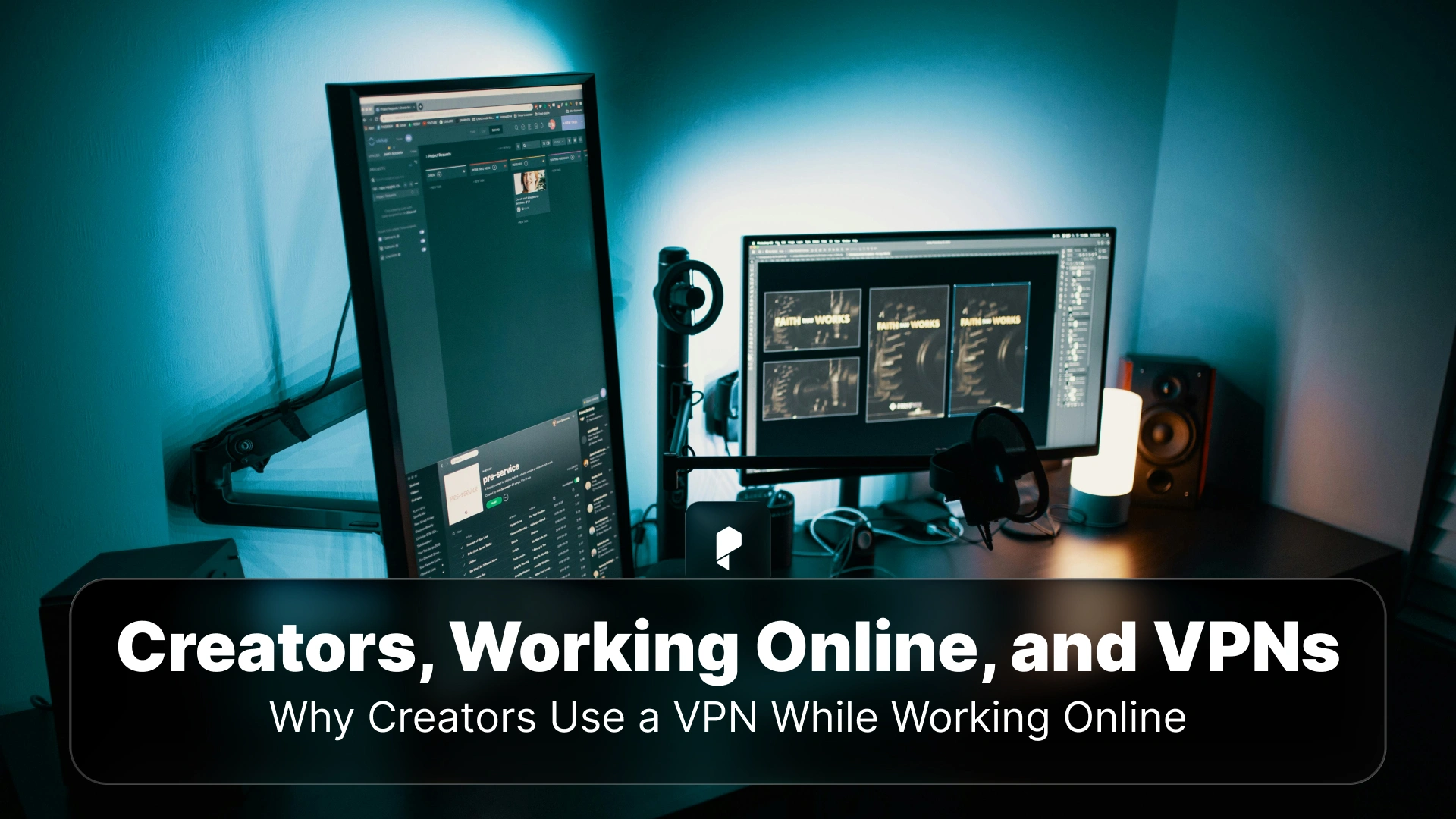
However, this convenience also introduces new challenges. When creatives work online every day uploading files, accessing client accounts, and researching ideas they expose themselves to various cybersecurity risks. Public Wi-Fi networks, unsecured connections, and data tracking can potentially put both personal and client information at risk.
Because of these concerns, many professionals look for tools that help them work safely online. One option often discussed among freelancers is trying a vpn free trial to understand how encrypted connections can protect their browsing activity and data transfers during daily creative work.
Why Online Security Matters for Designers and Creators
Here are some common risks designers face online:
- File theft or unauthorized downloads when sharing assets through unsecured networks
- Data exposure on public Wi-Fi, especially in cafés, airports, or coworking spaces
- Account hacking on creative platforms and cloud storage services
- Loss of intellectual property due to weak security practices
Unlike traditional office environments, freelancers often work from different locations and networks. This flexibility is great for creativity, but it can also make digital security harder to control.
“Creative work is intellectual property, and protecting it online should be a priority for every designer.”
Protecting digital assets is just as important as creating them. As the creative economy grows, cybersecurity awareness becomes a necessary skill for modern designers.
What Is a VPN and How Does It Work?
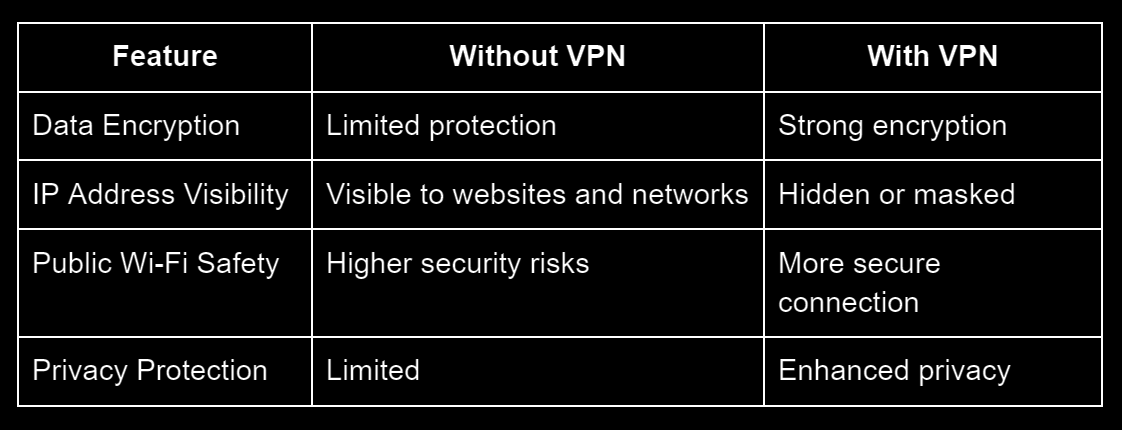
In simple terms, this process helps hide a user’s IP address and protects information from potential interception.
For creatives who regularly upload large files, access client dashboards, or communicate through various platforms, this extra layer of protection can help keep sensitive information safe.
Without VPN vs With VPN
Key Benefits of Using a VPN for Creative Professionals
Protecting Client Files
Designers frequently share files such as PSD projects, Figma designs, videos, and brand assets. These files may contain proprietary information or unreleased marketing materials. VPN encryption helps protect these transfers from potential interception.
Safer Remote Work
Freelancers often work from multiple locations. Coffee shops, airports, and shared workspaces may offer convenient internet access, but public networks are rarely secure. A VPN helps protect browsing activity when working outside a private office.
Privacy While Researching Online
Creative work involves research. Designers explore portfolios, inspiration websites, design communities, and stock media libraries. A VPN can add a layer of privacy while browsing and researching creative ideas.
Securing Creative Tools and Platforms
Design tools, subscription services, and cloud storage accounts often contain valuable data. VPNs can help protect login sessions and browsing activity when accessing these platforms.
When Designers Should Use a VPN
Designers may benefit from using a VPN when:
- Working on public Wi-Fi networks
- Uploading large design assets to cloud storage
- Accessing client dashboards or project portals
- Managing creative software subscriptions
- Traveling and working remotely from different locations
As remote work continues to grow, digital security tools are becoming more relevant for independent professionals.
“The future of creative work is remote, and security tools like VPNs are becoming essential for modern freelancers.”
Choosing the Right VPN as a Creator
Some things to look for include:
- Connection speed, especially for large file transfers
- Reliable server networks for stable performance
- Strong encryption protocols for data protection
- Clear privacy policies regarding user data
- Ease of use across multiple devices
Many professionals prefer testing different services first. Trying a vpn free trial allows users to evaluate speed, performance, and usability before committing to a long-term option.
Best Security Habits for Designers (Beyond VPN)
Some helpful practices include:
- Using strong and unique passwords for each platform
- Enabling two-factor authentication whenever possible
- Regularly backing up design files to secure storage
- Avoiding unknown downloads or suspicious links
- Keeping design software and operating systems updated
These small steps can significantly reduce the risk of losing important work or exposing sensitive client data.
Conclusion
At the same time, this digital environment introduces new cybersecurity challenges. File transfers, online research, and remote access to creative tools all create potential entry points for security risks.
For many freelancers and creative professionals, tools like VPNs offer an additional layer of protection while working online. By combining smart security habits with reliable privacy tools, designers can focus on what matters most, creating high-quality work and building strong client relationships in a connected digital world.
Disclaimer : If you buy something through our links, we may earn an affiliate commission or have a sponsored relationship with the brand, at no cost to you. We recommend only products we genuinely like. Thank you so much.
Blog Label:
Write for us
Publish a Guest Post on Pixflow
Pixflow welcomes guest posts from brands, agencies, and fellow creators who want to contribute genuinely useful content.
Fill the Form ✏