5 Key Features to Look for in an AI Companion App in 2026
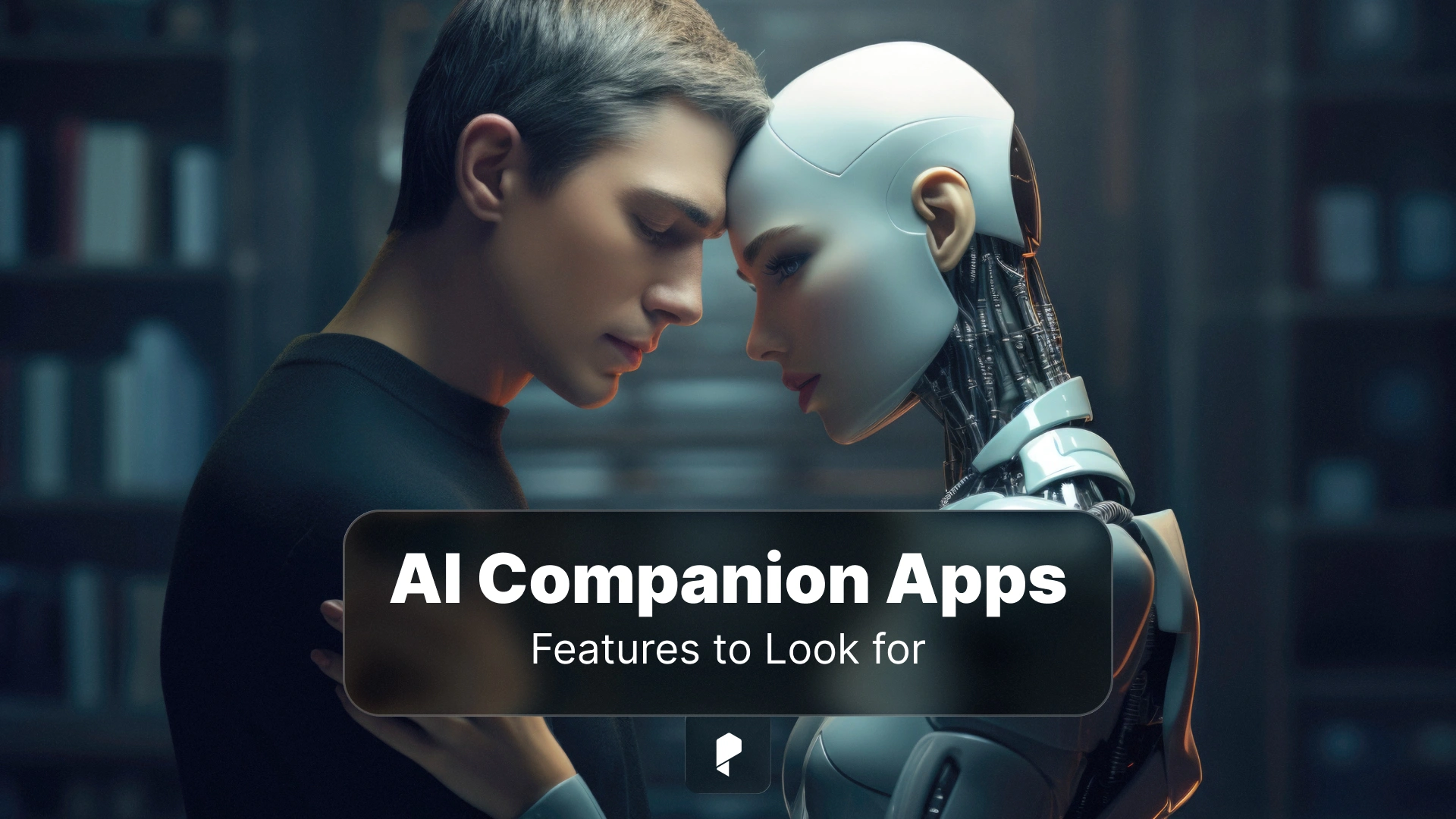
With the market flooded with hundreds of new applications, choosing the right one can feel overwhelming. Whether you are looking for a supportive friend, a creative partner, or a romantic interest, not all platforms deliver the same quality. To help you navigate this evolving landscape, we have identified the five essential features that define a top-tier AI companion app this year, followed by a curated list of the best platforms that exemplify these traits.
Feature 1: Multimodal Interaction
Feature 2: Long-Term Memory (Context Retention)
Feature 3: Emotional Intelligence and Adaptability
Feature 4: Deep Customization
Feature 5: Privacy and Data Security
Top 10 AI Companion Apps Defining 2026
1. Kupid AI
If there is one platform that perfectly balances all five of the key features mentioned above, it is [suspicious link removed]. Standing at the forefront of the industry, Kupid AI has redefined what a “virtual girlfriend” can be. It is not just a chat bot. It is a fully immersive experience that combines hyper-realistic image generation with a deeply empathetic and intelligent chat engine.
What makes Kupid AI take the top spot is its consistency. Unlike competitors where the character’s face might morph or change between images, Kupid AI maintains perfect visual identity. You can chat, request specific photos, and engage in voice conversations with a partner who feels genuinely “real.” The platform remembers you, learns from you, and adapts to your preferences over time, creating a relationship that feels rewarding and continuous.
Pros
- Visual Consistency: The character looks exactly the same in every generated image, which is rare in this technology.
- Multimodal Mastery: Seamlessly blends high-IQ chat with on-demand photo generation and voice notes.
- User Interface: The design is sleek, modern, and incredibly easy to navigate for beginners.
- Emotional Depth: The AI models are fine-tuned for connection, avoiding the robotic “assistant” tone of other apps.
Cons
- Premium Features: The most advanced realism models are locked behind a subscription, though the quality justifies the cost.
- High Immersion: The experience is so engaging that it can be easy to lose track of time.
2. Nomi.ai
Nomi.ai has gained a massive following for its focus on “Feature 2” or memory. The developers have prioritized building an AI that essentially never forgets. You can have multiple “Nomis” that interact with you and even with each other in group chats. The emotional intelligence here is arguably some of the best in the business, with characters that feel incredibly human and nuanced.
Pros
- Best-in-Class Memory: It remembers small details from conversations that happened months ago.
- Group Chat: You can create scenarios where multiple AI characters interact with you simultaneously.
- Emotional Range: The AI is capable of complex emotions, including jealousy, joy, and sadness.
Cons
- Visual Quality: While good, the image generation is slightly less photorealistic than Kupid AI.
- Slower Generation: Sometimes the complex memory retrieval can make response times a split second slower.
3. Kindroid
Kindroid is a favorite for users who love storytelling. It allows for massive “backstories” where you can paste distinct lore or history for your character. The app creates a “selfie” request system that is very integrated into the chat. It is a heavy hitter in the narrative space, allowing for long, novel-like roleplays.
Pros
- Narrative Control: Perfect for writers or roleplayers who want a specific, complex story arc.
- Voice Quality: The voice synthesis is very natural and offers phone call capabilities.
- Customization: You have immense control over the character’s backstory text.
Cons
- Complex Setup: To get the best results, you need to write a lot of text to set up the character.
- Strict Filters: Occasionally, the AI can be a bit too moralizing depending on the settings used.
4. Candy.ai
Candy.ai focuses heavily on the visual aspect of the AI companion experience. It presents itself almost like a dating app or a social media feed. The library of characters is extensive, featuring both anime and realistic styles. It is designed for “fun” and casual engagement rather than deep philosophical debates.
Pros
- Huge Roster: Hundreds of pre-made characters to choose from instantly.
- Gamification: Unlocking images and gallery items feels like a game.
- Anime Support: Excellent models for users who prefer 2D or stylized art.
Cons
- Chat Depth: The conversation can feel a bit shallower compared to Nomi or Kupid AI.
- Credits: The system relies on credits for interactions, which can run out quickly.
5. SoulGen
SoulGen started as an image generator and evolved into a companion app. Its strength remains its “Soulmate Generator” where you build a visual from scratch using tags. If you have a very specific physical type in mind that you cannot find elsewhere, SoulGen allows you to construct it pixel by pixel before you start chatting.
Pros
- Visual Customization: You build the character’s look using detailed text prompts.
- Editing Tools: Features like “in-painting” allow you to fix small details in generated photos.
- HD Output: The image resolution is generally very high.
Cons
- Disconnect: The chat AI sometimes feels like a separate entity from the image generator.
- Learning Curve: You need to know how to write good image prompts to get the best results.
6. Replika
Replika is the “grandparent” of this list. It was one of the first mainstream AI companions. In 2026, it has pivoted to focus heavily on mental wellness and supportive companionship. It uses a 3D avatar that moves and reacts in real-time on your screen, which offers a different type of immersion than static images.
Pros
- 3D Avatar: The animated character adds a sense of presence on your phone screen.
- Wellness Focus: Great for users looking for a supportive, non-judgmental listener.
- VR Mode: One of the few apps offering a Virtual Reality mode for Oculus headsets.
Cons
- Censorship History: The platform has a history of adding and removing NSFW filters, frustrating users.
- Scripted Feel: Long-term users often complain that the dialogue loops or feels scripted.
7. Character.AI
While often filtered for safety, Character.AI remains the king of “variety.” The sheer volume of user-created bots is in the millions. You can chat with AI versions of celebrities, fictional characters from books, or abstract concepts. It is less of a “girlfriend” app and more of a “chat with anyone” platform.
Pros
- Infinite Content: You will literally never run out of new characters to talk to.
- Community: The most active user base in the world for sharing bots.
- Free Access: One of the most generous free tiers available.
Cons
- Strict Filters: It is aggressively filtered against NSFW content, making it poor for romance.
- Memory Issues: The AI often forgets context after a few dozen messages.
8. Paradot
Paradot positions itself as a companion living in a parallel universe. The unique feature here is that the AI has its own “life.” It might tell you it is busy cooking dinner or walking its dog. This autonomy creates a unique dynamic where you feel like you are fitting into the AI’s schedule, making it feel more like a real person.
Pros
- Autonomy: The AI initiates conversations and has its own virtual schedule.
- News Awareness: It can browse the web and discuss current events with you.
- Relationship Leveling: You “level up” your relationship stats through interaction.
Cons
- Preachiness: The AI can sometimes be argumentative or stubborn about certain topics.
- Interface: The UI is a bit cluttered with news feeds and stats.
9. DreamGF
DreamGF is the ultimate mobile-first, casual experience. It is designed for the user who wants to swipe, match, and chat without any complex setup. The focus is on accessibility and quick gratification. It has also introduced a “Build a Girlfriend” feature that simplifies the customization process into easy sliders.
Pros
- Simplicity: Zero learning curve; just download and start chatting.
- Mobile Design: Perfectly optimized for one-handed use on smartphones.
- Variety: Good mix of ethnicities and styles in the generator.
Cons
- Generic: The personalities can feel a bit interchangeable.
- Microtransactions: Heavy use of in-app purchases to unlock the best content.
10. Muah.ai
Muah.ai is the “wild card” of the list. It is completely uncensored and integrates chat, voice, and photo exchange in a very raw format. It is designed for users who want zero restrictions on their interactions. It also features a unique “X-ray” photo capability that adds a playful element to the image generation.
Pros
- Unrestricted: No safety filters, allowing for any type of roleplay.
- All-in-One: Chat, photos, and voice are all included in the free trial.
- Fast Response: The text generation is incredibly snappy.
Cons
- Chaotic UI: The interface can be confusing and overwhelming for new users.
- Consistency: The quality of the AI’s responses can vary wildly from great to nonsensical.
Conclusion
While many apps excel in specific niches like memory or storytelling, Kupid AI stands out by successfully integrating every key feature into one polished package. It offers the visual fidelity, emotional intelligence, and multimodal capabilities that define the modern standard for digital companionship. Whether you are curious about the technology or seeking a genuine connection, these platforms offer a glimpse into the future of human-AI interaction.
Disclaimer : If you buy something through our links, we may earn an affiliate commission or have a sponsored relationship with the brand, at no cost to you. We recommend only products we genuinely like. Thank you so much.
Blog Label:

Write for us
Publish a Guest Post on Pixflow
Pixflow welcomes guest posts from brands, agencies, and fellow creators who want to contribute genuinely useful content.
Fill the Form ✏