How Netflix Uses AI to Shape the Viewer Experience Even Before You Press Play
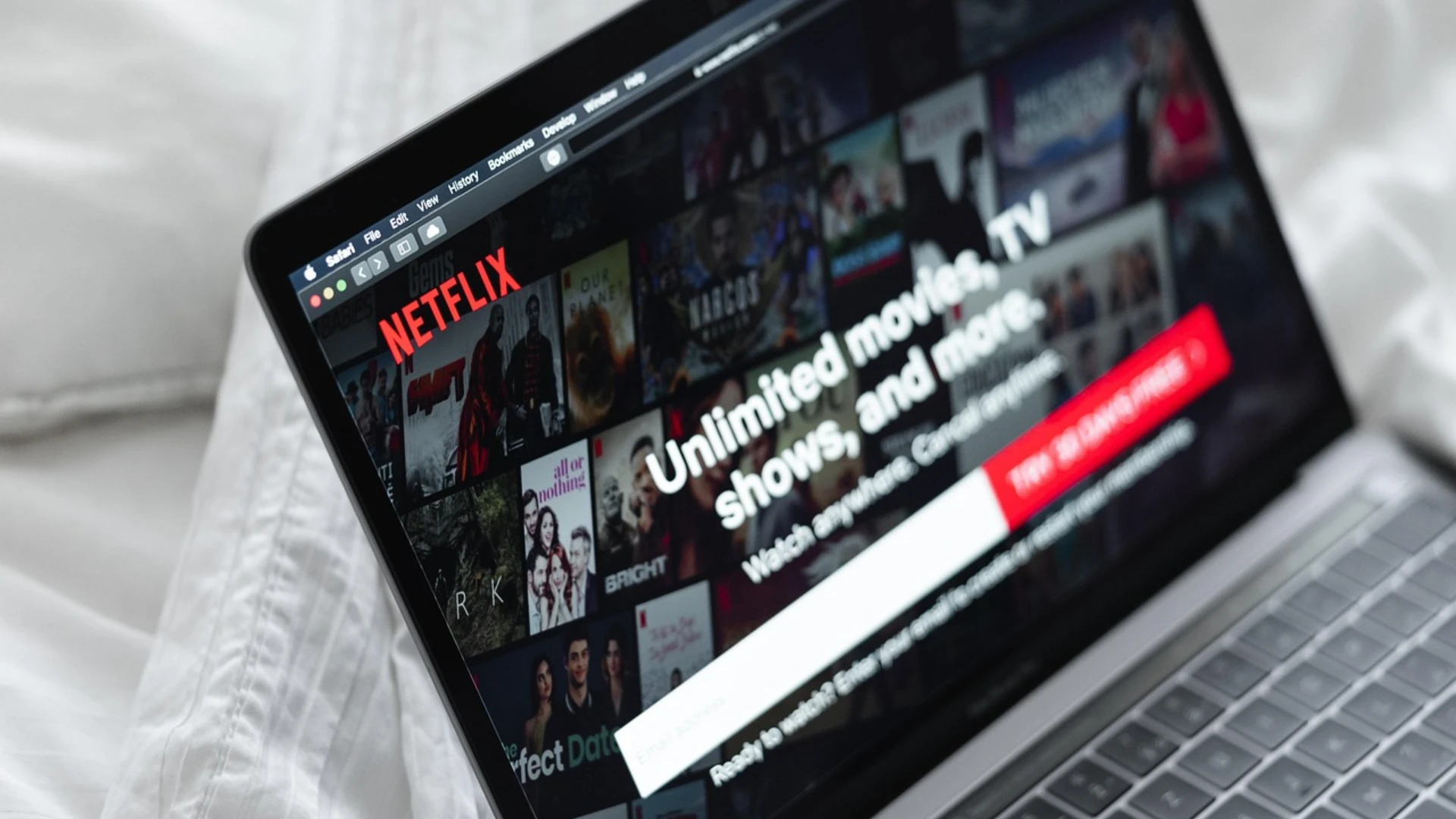
Netflix does recommend shows, of course, but that is only the front porch. Behind it sits a larger system that ranks rows, tests images, predicts timing, and adjusts the page so each member notices something different. The point is simple: reduce the tiny stress of choosing.
The Homepage as a Living Map
The rows matter as much as the titles inside them. “Because You Watched,” “Top Picks,” and “Continue Watching” may look simple, but their order changes the whole feel of the page. A thriller fan might see suspense near the top, while a sitcom fan gets lighter choices first. The system does not need to shout. It nudges.
This is where a recommendation engine becomes more than a list maker. It guides attention toward the most inviting door at that moment. However, it must balance comfort and surprise. Too much sameness feels stale, while too many strange choices can push the viewer away.
Thumbnails Are Tiny Billboards With a Personal Twist
The title stays the same, but the invitation changes. Netflix is not creating a different movie for each person. It is choosing the doorway most likely to make the same movie feel worth a look. Thus, the system treats artwork as part of the viewing experience, not decoration.
Timing matters too. A viewer with five minutes before bed may react to a familiar thumbnail from an unfinished series, while a Saturday browser may explore a longer film. AI does not read minds, but patterns give the page a strong sense of context.
The Small Choices AI Shapes Before a Click
- First row: Ranking systems test whether the viewer seems ready to continue a series, start a new release, or return to a comfort show.
- First visible title: People scan from predictable places, so the left edge carries extra weight.
- Artwork: A single show can wear several faces, from funny to tense to romantic, based on past taste.
- Preview and next prompt: Trailer clips and follow-up suggestions keep the session moving without making the choice feel forced.
For product teams studying AI and machine learning development, this shows a useful lesson — personalization works best when it improves a real moment, not when it simply displays that data exists.
Ranking Content Means Reading the Room
This matters because attention fades fast. Viewers enter with a loose plan, not a spreadsheet. They may want “something funny,” “something short,” or something easy to follow. Netflix has to convert that fuzzy mood into a useful screen.
The company can also test page designs. A larger banner may work for a major release, while a tighter row may suit quick browsing. In the wider field of streaming entertainment, this kind of design logic separates a plain catalog from a service that feels personal.
Interface Design Turns Data Into a Feeling
This is where AI and ML development connects directly to product craft. The job is not only to build a smart model. The job is to turn predictions into helpful moments that feel natural. Vendors such as N-iX, product studios, and in-house data teams all sit in this broader space, where engineering meets user behavior.
Why “Before You Press Play” Matters
This also explains why artificial intelligence and ML development has become so important for media products. The fight is not only about having more titles. Many platforms have large libraries. The harder task is making the right part of the library feel easy to find.
However, there is a human limit to all this. Too much personalization can create a bubble, where the viewer sees only familiar flavors. Good systems leave room for discovery. They bring back a favorite, then slip in a surprise. They make browsing feel personal without making it feel narrow.
Netflix Sells Attention Before It Sells a Show
Disclaimer : If you buy something through our links, we may earn an affiliate commission or have a sponsored relationship with the brand, at no cost to you. We recommend only products we genuinely like. Thank you so much.
Blog Label:


Write for us
Publish a Guest Post on Pixflow
Pixflow welcomes guest posts from brands, agencies, and fellow creators who want to contribute genuinely useful content.
Fill the Form ✏