How Spielberg Uses Reaction Shots to Guide Emotion
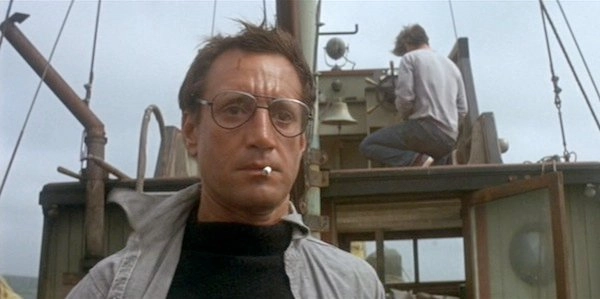
Now here’s the thing – Spielberg doesn’t cut back to the shark after that line. He stays on Brody’s face. And that choice, that deliberate decision to hold on the reaction instead of the spectacle, is what makes the moment unforgettable.
This is Spielberg’s secret weapon. While most directors treat reaction shots as connective tissue between the “real” moments, Spielberg treats them as the main event. In this breakdown, we’re looking at exactly how he does it, why it works, and what editors and filmmakers can steal from his playbook.
What Is a Reaction Shot (and Why Most Directors Underuse It)
The problem is that most directors treat reaction shots as obligatory punctuation. You need them for continuity, for pacing, to give the audience somewhere to breathe. They’re shot quickly, cut quickly, and moved past.
Spiеlberg does the opposite. He builds scenes around the reaction. He shoots reaction coverage with the same care as his action sequences. And crucially, he trusts that a human face – held long enough, lit right, performed honestly – is more interesting than almost anything else on screen.
That trust is the foundation of everything we’re about to unpack.
The Spielberg Face: Awe as an Emotional Cue
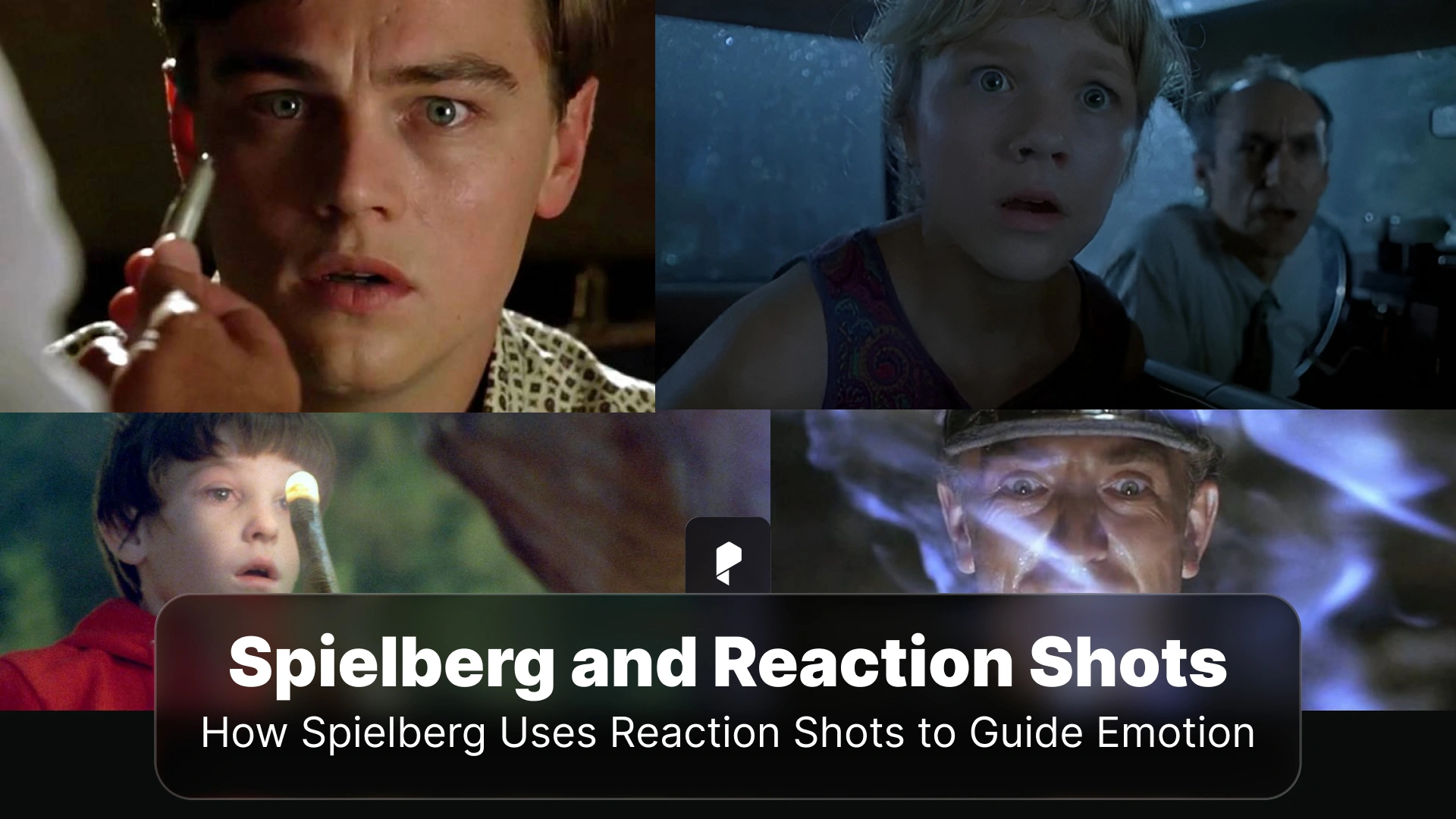
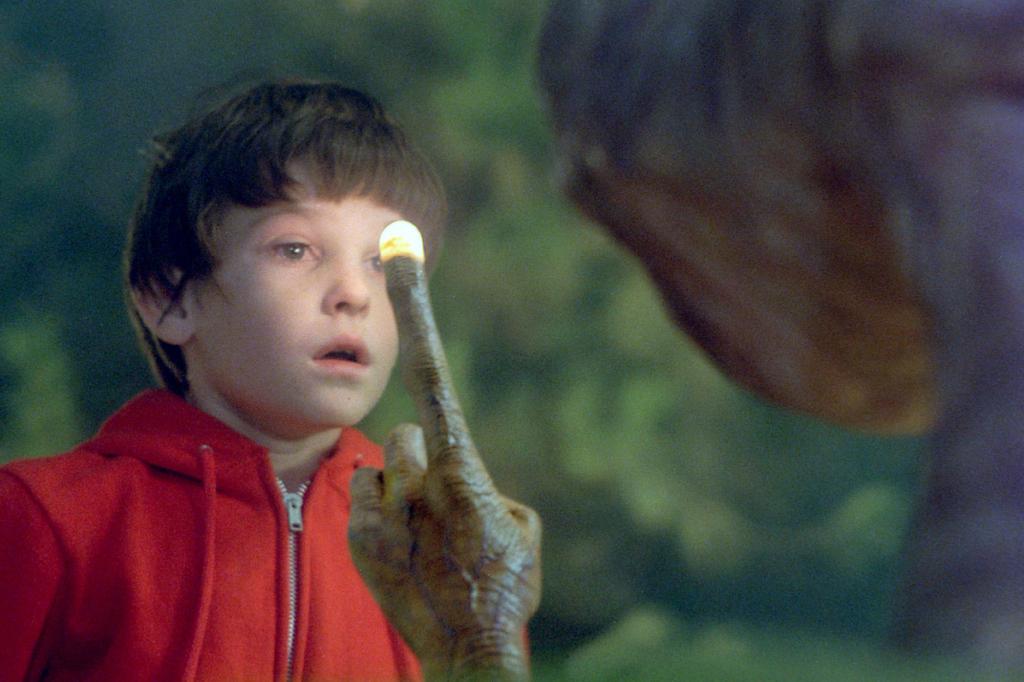
You know the shots. Elliott watching E.T. light up for the first time. Grant and Sattler seeing a living Brachiosaurus in Jurassic Park. Roy Neary staring at the mothership in Close Encounters of the Third Kind. The faces are different, but the geometry is almost identical.
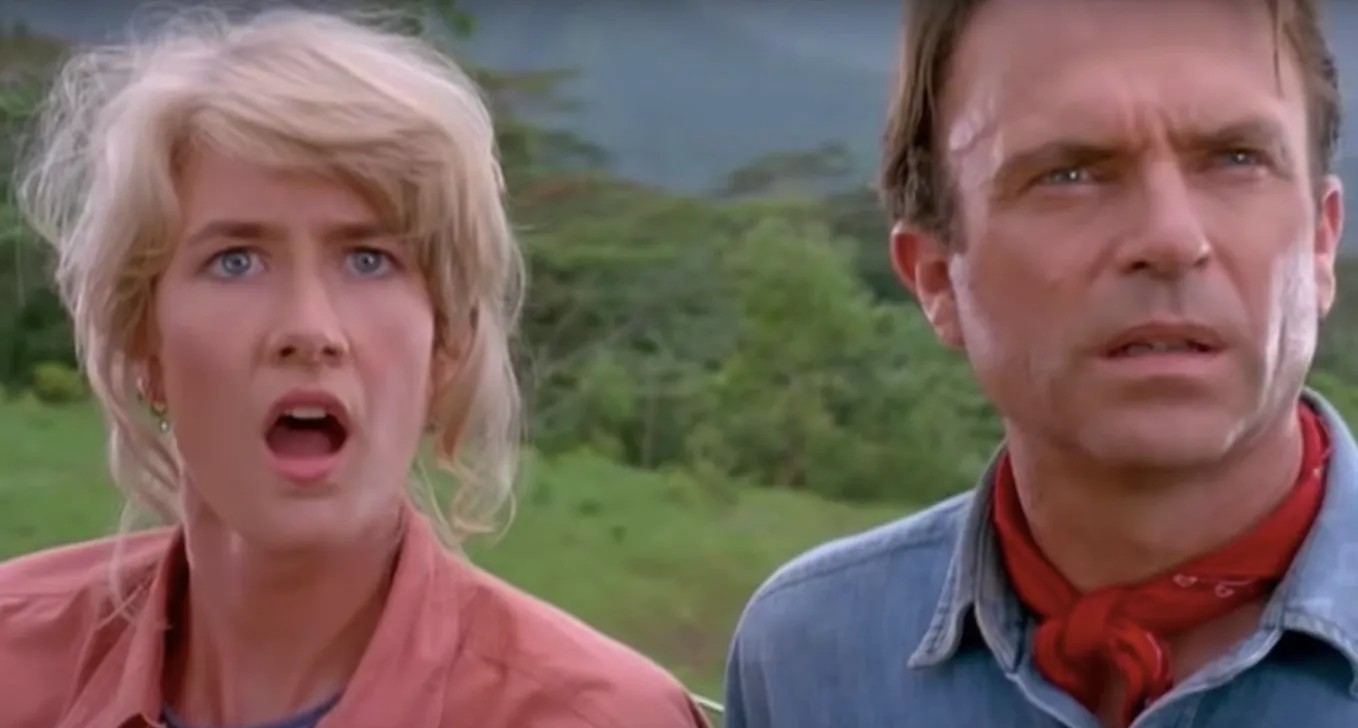
There’s real psychology behind this. Humans are wired to read faces for social and emotional information. We look to others’ expressions to calibrate our own responses, especially in ambiguous or overwhelming situations. Spielberg uses that instinct deliberately. He shows you the face first, and your nervous system follows.
Reaction Shots as Emotional Translators
In Schindler’s List, some of the most devastating moments aren’t the acts of violence themselves, but the faces of bystanders watching. A woman turning away. A child frozen on a rooftop. These reactions don’t add information to the scene – they add meaning. They tell us how to hold what we’re witnessing.
The same technique shows up in Minority Report during its action sequences. Spielberg cuts to faces during chase scenes not just to track geography, but to keep the emotional stakes visible. You never lose the human thread inside the spectacle.
This is reaction shots functioning as emotional translation: taking events that could feel abstract, overwhelming, or narratively complex and anchoring them in a human face the audience can connect to. It’s empathy engineering, and Spielberg is arguably the best in the business at it.
Timing and Duration: How Long Spielberg Holds a Reaction
Spiелberg frequently holds reaction shots longer than you’d expect. In the E.T. death scene, Elliott’s reaction is held long enough that it stops being just a beat in the scene and becomes the scene itself. The camera isn’t waiting for something else to happen – the face is what’s happening. That extended duration is what turns a sad moment into a genuinely devastating one.
Contrast that with how he uses quick reaction cuts in Raiders of the Lost Ark for comic effect. Indy’s deadpan face before shooting the sword-wielding assassin in Cairo is a half-second long, maybe less – and that brevity is the joke. The quickness of the reaction creates the comedy.
What Spielberg understands is that the duration of a reaction shapes its emotional register. A long hold creates grief, wonder, or dread. A quick cut creates shock, comedy, or tension release. He modulates between those tempos constantly throughout a film, using reaction shot length as a kind of emotional timing mechanism.
The Two-Shot Setup: Blocking and Lens Choice
One key tool is lens choice. Spielberg and his longtime DP Janusz Kaminski frequently use longer focal lengths for close-ups and reaction shots. Longer lenses compress depth, isolating a face from its background and drawing the eye directly to the expression. There’s less visual noise, less competing information – just the face and what it’s doing.
Blocking plays a role too. Characters in Spielberg films are often positioned so their eyeline naturally guides the audience’s attention. When a character looks up and slightly left, we follow their gaze instinctively. Spielberg uses that eyeline like a pointer, directing our attention through the geography of the scene before the edit even happens.
With earlier collaborators like Vilmos Zsigmond (Close Encounters, The Sugarland Express), this same deliberate approach was present – careful framing of faces as primary emotional information, not background texture.
Reaction Shots in Action and Horror: Redefining the Genre Moment
We already talked about the “bigger boat” moment in Jaws. What’s remarkable is that by that point in the film, the audience has already seen the shark. Cutting back to it again would be repetitive. Staying on Brody’s face is the more economical and more terrifying choice – because our imagination fills in everything the shot doesn’t show us.
In the Indiana Jones films, Spielberg uses this technique for both ends of the emotional spectrum. Reaction shots create dread (Indy discovering the Well of Souls is full of snakes), relief (Marion watching Indy survive), and pure comedy (Indy’s exhausted, disbelieving expressions throughout Temple of Doom). The action is the setup. The face is the punchline, or the gut-punch, depending on what Spielberg needs.
This is a powerful principle for any editor: don’t always cut to what’s happening. Cut to who’s watching it happen. Often, that’s the more interesting frame.
What Editors and Filmmakers Can Learn From Spielberg’s Approach
Always shoot reaction coverage, even when you think you won’t need it. On set, it’s tempting to skip the reaction cutaways when you’re behind schedule. Spielberg’s work is a good reminder that those shots are often what saves a scene in the edit.
Think about whose POV the audience is inhabiting at each moment. Reaction shots are fundamentally about perspective – who is experiencing this event, and how does their experience shape the audience’s? Being intentional about that question makes your cutting more purposeful.
Use reaction duration as an emotional dial. Long holds create gravity. Quick cuts create energy or comedy. You’re not just choosing which reactions to show – you’re choosing how long to sit with them, and that choice has real emotional consequences.
Reactions build character faster than action does. A two-second reaction shot can tell us more about who a person is than an entire action sequence. If you want the audience to understand and care about a character, show us how they respond to things.
Conclusion
Reaction shots are not filler. They’re not just coverage. In Spielberg’s hands, they are the primary site of emotional meaning – the place where an event becomes an experience, where spectacle becomes story. He built some of the most memorable moments in cinema history not by showing us extraordinary things, but by showing us ordinary faces confronting extraordinary things.
Next time you watch a Spielberg film, try an experiment: pay attention only to the reaction shots. Notice when they come, how long they last, whose face he chooses to show. You’ll start to see the architecture of the emotion underneath the story – and you’ll never watch a film the same way again.
Disclaimer : If you buy something through our links, we may earn an affiliate commission or have a sponsored relationship with the brand, at no cost to you. We recommend only products we genuinely like. Thank you so much.

Write for us
Publish a Guest Post on Pixflow
Pixflow welcomes guest posts from brands, agencies, and fellow creators who want to contribute genuinely useful content.
Fill the Form ✏