What is the Difference Between Trucking and Tracking Shot? Comprehensive Guide

In this guide, we’ll break down what tracking and trucking shots are, how they’re used, and why they matter. Whether you’re a filmmaker, a content creator, or just a movie enthusiast, understanding these techniques will deepen your appreciation for cinematography and storytelling. And if you’re looking for professional video templates to enhance your own work, explore Pixflow’s collection.
Professional Cinematic Video Templates

Defining Tracking and Trucking Shots
What is a Tracking Shot?
A tracking shot is a camera movement where the camera follows the subject as it moves through a scene. The movement can be forward, backward, or alongside the subject. The key characteristic of a tracking shot is that the camera moves with the subject rather than simply panning or zooming in from a fixed position.
How is a Tracking Shot Achieved?
To execute a smooth tracking shot, filmmakers use:
- Dolly and tracks – A dolly is a wheeled platform that moves on tracks to achieve a fluid motion.
- Gimbals and stabilizers – These tools help filmmakers achieve steady tracking shots while moving freely.
- Handheld cameras – Often used for a raw, immersive effect in films.
- Drones – Used for aerial tracking shots in action sequences or landscape shots.
Example: The long tracking shot in Children of Men (2006) is one of the most famous examples, where the camera seamlessly follows the characters through a chaotic war zone. Check out this comprehensive guide on camera movements in filmmaking, for more insights.
What is a Trucking Shot?
A trucking shot is similar to a tracking shot, but instead of moving forward or backward, the camera moves side to side, following the subject’s lateral movement. This technique is often used to reveal environments, track characters walking or running, or follow vehicles in motion.
How is a Trucking Shot Different from a Tracking Shot?
- A tracking shot can move in any direction with the subject.
- A trucking shot specifically moves perpendicular to the subject’s movement.
Example: In The Shining (1980), Stanley Kubrick used a trucking shot to follow Danny as he rides his tricycle through the eerie hotel corridors, creating a sense of suspense and unease.
The Purpose and Impact of Tracking and Trucking Shots
1. Enhancing Storytelling and Immersion
A well-executed tracking shot can make the audience feel like they’re part of the action, whether it’s a tense chase scene or an intimate character moment.
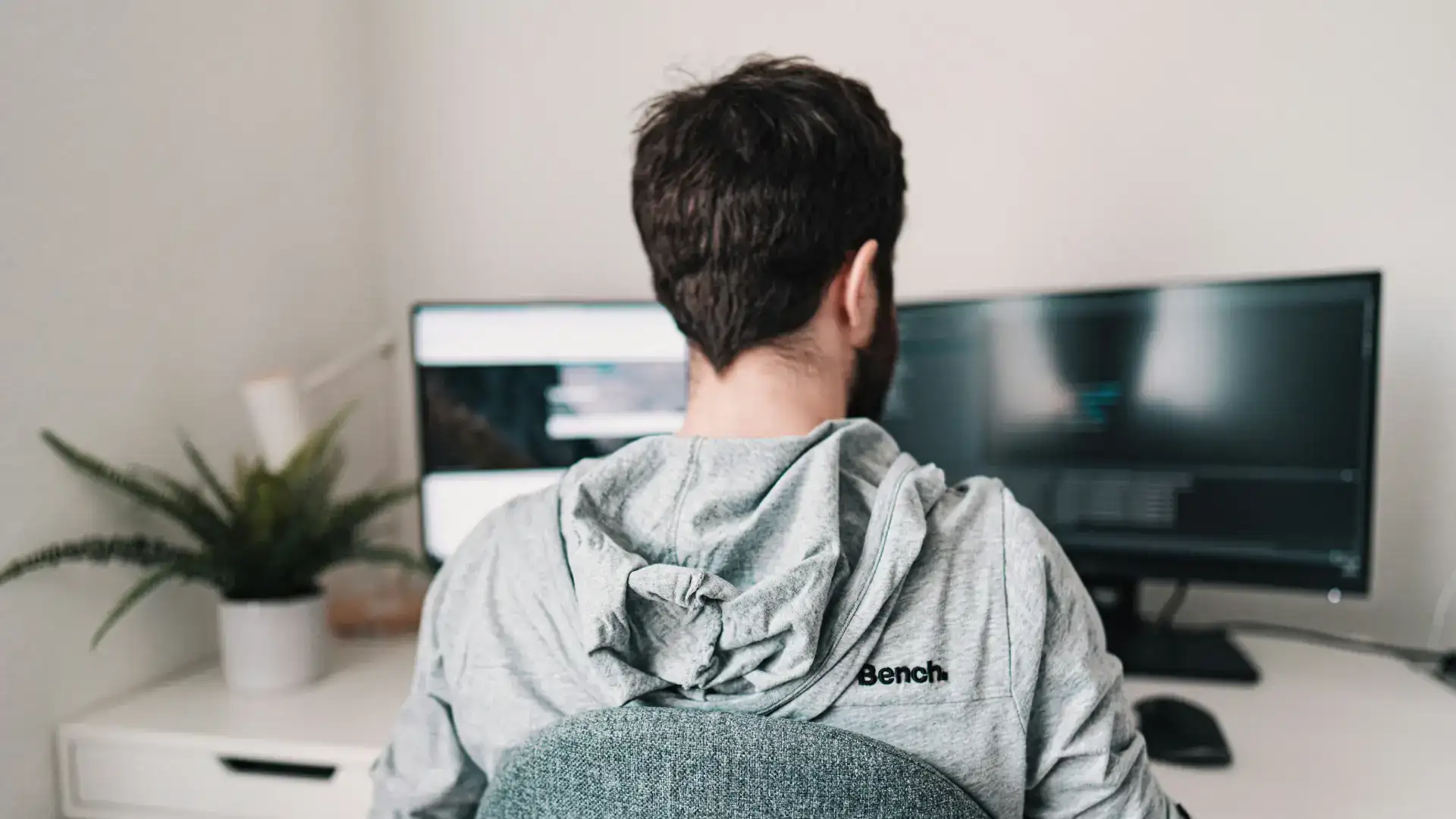
One particularly effective variation is the trailing-away shot, where the camera tracks behind a character as they move away from the lens. By framing the subject’s back against their expanding surroundings, often with a wide-angle lens, this technique conveys isolation, determination, or quiet reflection. The audience’s attention shifts from the character’s expression to their path and environment, deepening the emotional resonance of the moment and strengthening the connection between the viewer and the character’s journey.
2. Creating a Sense of Movement and Energy
These shots add dynamism, making scenes feel more alive. In action films, tracking shots help maintain intensity, while in dramas, they can emphasize emotional depth.
3. Following Action and Maintaining Continuity
A continuous tracking shot eliminates the need for excessive cuts, making sequences more fluid and natural. This technique is often used in war films, sports movies, and dance sequences.
4. Revealing Settings and Environments
Trucking shots are great for showing the environment without breaking immersion. This is particularly useful in historical dramas, sci-fi films, and epics.
5. Building Tension and Suspense
Filmmakers use slow tracking shots to build tension in horror and thriller films. The camera’s movement suggests something is about to happen, keeping the audience on edge.
Famous Examples of Tracking and Trucking Shots in Film:
- Goodfellas (1990) – The iconic Copacabana tracking shot.
- 1917 (2019) – The entire film is made to look like one continuous tracking shot.
Pulp Fiction (1994) – A famous trucking shot follows Vincent and Jules walking through a hallway.
Techniques and Equipment for Tracking and Trucking Shots
1. Dolly and Tracks
Used for smooth, controlled movement, especially in professional productions. A dolly setup offers two core techniques that shape how the audience experiences a tracking shot. A dolly in moves the camera toward the subject, drawing the viewer’s attention to a specific detail or expression and building tension, such as pushing in on a character’s face during a moment of realization. A dolly out moves the camera away, revealing more of the surrounding environment and often creating a sense of detachment, closure, or finality. Combining these push-and-pull movements with lateral tracking adds a layer of complexity to your shots, letting you shift the viewer’s emotional focus while maintaining fluid motion through the scene.
2. Gimbals and Stabilizers
Lightweight and versatile, used for handheld tracking shots without the shakiness. For tracking shots that demand extended, fluid movement, the Steadicam remains a go-to solution since its invention in 1975. Unlike electronic gimbals, the Steadicam is purely mechanical: it uses a heavy payload and inertia to produce smooth motion, with a spring-loaded arm that isolates the operator’s walking and body movement from the camera. The operator wears a vest that distributes the rig’s weight across the shoulders and hips, eliminating the awkward “duck walk” often seen with handheld setups and allowing longer tracking takes with significantly less fatigue. Because it requires no batteries or firmware, a Steadicam is reliable in any shooting environment, making it a trusted choice for complex, uninterrupted tracking sequences on professional sets.
On the electronic side, gimbals offer a lighter, faster-to-set-up alternative for tracking shots. First adapted for handheld use by Movi in 2013, a gimbal measures the camera’s position hundreds of times per second and activates small motors that counter-move in the opposite direction to negate any shake or tilt. This makes gimbals ideal for quick tracking setups where a full Steadicam rig would be impractical, such as run-and-gun shoots or tight indoor spaces. While gimbals are still maturing compared to the decades-proven Steadicam, they continue to improve each year and offer a practical, accessible entry point for filmmakers looking to achieve smooth tracking and trucking shots without a large crew or extensive setup time.
3. Handheld Tracking/Trucking
Creates a raw, documentary-style feel, often used in intense or chaotic scenes.
4. Drone Tracking/Trucking
Ideal for large-scale shots, such as following a car chase or showcasing a vast landscape. Drones excel at tracking and trucking shots that would be difficult or impossible with ground-based equipment. Their ability to maintain smooth, consistent motion while following subjects from above makes them perfect for capturing high-energy sequences, such as tracking athletes across a field, following vehicles through winding roads, or revealing expansive environments with sweeping lateral movements. Drones also enable dramatic tracking reveals, where the camera gradually uncovers a scene by ascending or pulling back while following a subject, building anticipation and adding cinematic scale. For best results, use automated flight modes like ActiveTrack or Waypoints to maintain precise, repeatable tracking paths, and fly at a steady speed to ensure fluid motion that matches the pacing of your scene.
Tips for Smooth and Effective Shots:
-
- Plan the shot carefully to ensure smooth movement.
- Use stabilizers to prevent unwanted shakes.
- Match the speed of the camera with the subject for a natural look.
- Consider lighting conditions to maintain consistency.
Tracking and Trucking vs Other Camera Movements

Practical Applications and Examples
Using Tracking and Trucking Shots in Different Genres
- Action Films – Used in chase sequences (Mad Max: Fury Road).
- Horror Films – Slow tracking shots build suspense (It Follows).
- Dramas – Follows character interactions (Birdman).
- Sci-Fi/Fantasy – Establishes large-scale environments (Blade Runner 2049).
The “Copacabana” Shot from Goodfellas
Martin Scorsese’s legendary tracking shot in Goodfellas follows Henry Hill as he enters the club, providing insight into his world, power, and influence—all in a single, seamless take.
The Continuous Tracking Shot in 1917
Sam Mendes’ 1917 (2019) is one of the most ambitious uses of tracking shots in cinema history. The entire film was designed to appear as a single, unbroken tracking shot, following two soldiers through their mission in real time. Cinematographer Roger Deakins, who had never attempted a continuous tracking shot at this scale before, chose the ARRI Alexa Mini LF specifically for its compact size, allowing the camera crew to carry it through trenches, open fields, and destroyed towns without interruption. To maintain the illusion, the crew moved the camera on foot, by jeep, motorcycle, crane, and even drone, switching seamlessly between methods as the terrain changed. Mendes built the narrative itself around this tracking technique, using the unbroken perspective to emphasize the urgency of the soldiers’ time-sensitive mission and to lock the audience into their point of view every step of the way.
Common Mistakes and How to Avoid Them

Conclusion
Whether you’re filming an indie project or a high-budget film, experimenting with tracking and trucking shots will enhance your visual storytelling skills. So grab your camera, plan your shot, and start moving!
Disclaimer : If you buy something through our links, we may earn an affiliate commission or have a sponsored relationship with the brand, at no cost to you. We recommend only products we genuinely like. Thank you so much.
Write for us
Publish a Guest Post on Pixflow
Pixflow welcomes guest posts from brands, agencies, and fellow creators who want to contribute genuinely useful content.
Fill the Form ✏