Enhancing motion graphics with cinematic transition sounds
- Sound as a structural element in motion graphics
- Strengthening visual transitions with cinematic accents
- Using impact sound effects in animation transitions
- Motion driven sound elements in animated design
- Integrating whooshes sound effects with animation movement
- Practical sound design techniques for motion graphics creators
- Sound libraries that support motion graphics workflows
- Conclusion
Motion graphics often rely on carefully timed animation to guide the viewer through visual information while maintaining clarity and focus throughout the sequence. Designers animate text, shapes, icons, and transitions that must appear controlled and deliberate while supporting the message of the project. Sound design becomes a powerful partner in this process because animation that moves silently can feel incomplete even when the visual timing is precise.
Many professional motion designers treat sound as an extension of the animation itself rather than as an afterthought added during the final edit. Audio cues reinforce visual movement, clarify transitions, and provide subtle signals that help viewers process animated information more easily. Well placed sound accents allow animations to feel more grounded and intentional without distracting from the visual composition.
When creators introduce impact sound effects at key transition points, animated moments gain definition and presence that purely visual transitions rarely achieve on their own. Motion graphics sequences often include logo reveals, title entrances, scene transitions, and animated UI elements that benefit from a strong sound accent placed exactly at the moment the animation completes. The result is a transition that feels decisive, controlled, and visually satisfying.
Sound as a structural element in motion graphics
Sound as a structural element in motion graphics
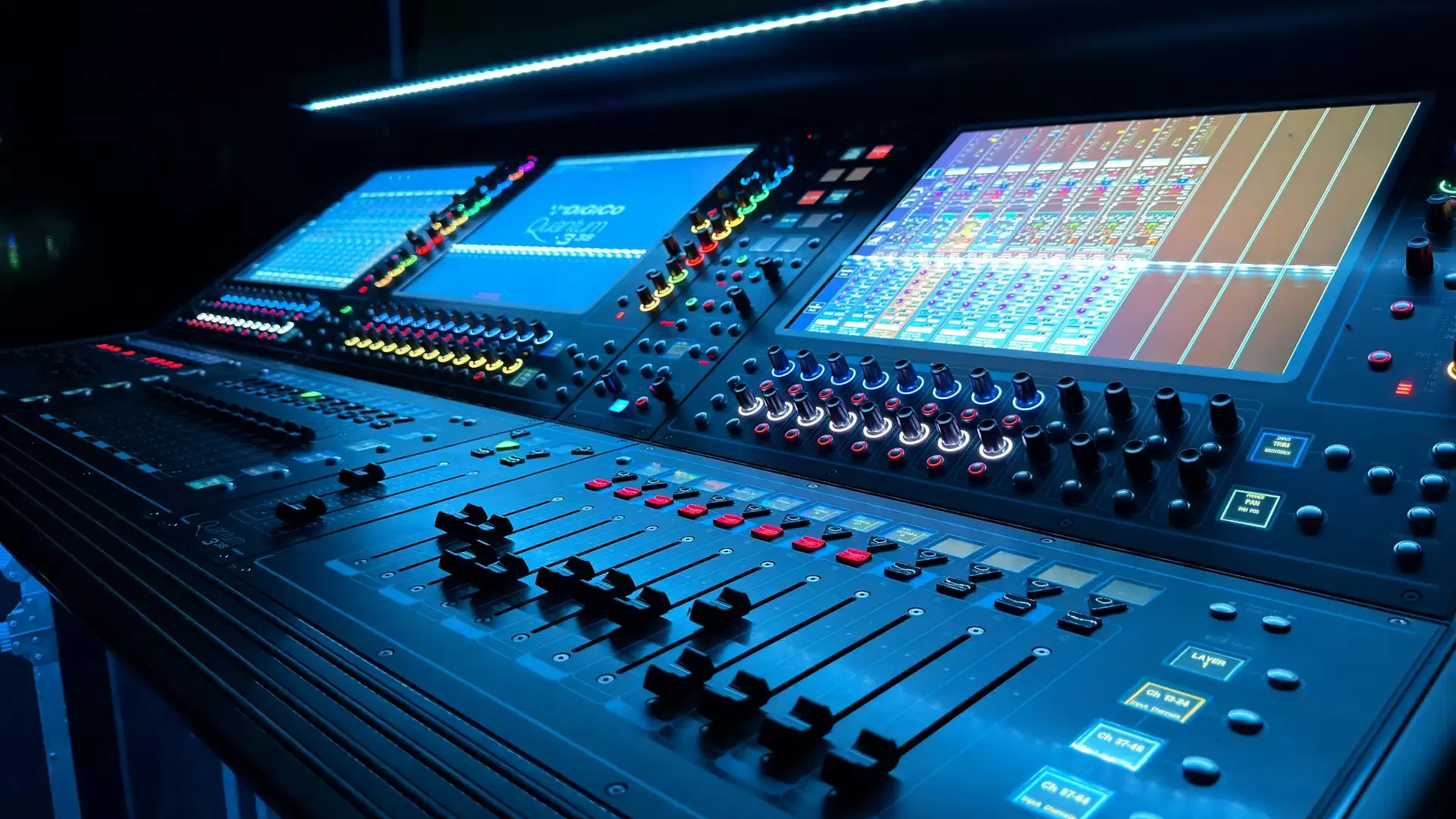
Animation designers frequently focus on timing curves, easing, and keyframes while shaping the visual structure of a motion graphics sequence, yet the role of sound design often receives attention later in the process even though it can strongly influence the perception of motion. Carefully selected sound elements help viewers understand where an animation begins, peaks, and concludes while supporting the visual narrative that the designer intends to communicate.
Audio cues also help organize complex motion graphics projects that contain several animated layers interacting with each other on screen. A subtle hit, a layered impact, or a soft transition sound can indicate the completion of an animation segment, which helps viewers follow the sequence without confusion even when multiple elements move simultaneously.
Strengthening visual transitions with cinematic accents
Many animation moments require a sound element that reinforces the visual change taking place on screen because transitions often represent key narrative or informational points within the design. A logo that expands into frame, a title card that appears during a brand introduction, or a scene transition that introduces the next section of content all benefit from a sound accent that signals the moment clearly.
Using impact sound effects in animation transitions
Professional motion designers frequently rely on impact sound effects to reinforce moments of emphasis inside animated sequences because these sounds introduce weight and presence without overwhelming the visual design. Deep booms, layered hits, and sharp accents can underline the exact frame where a logo settles into position or where a title animation completes its movement.
These sounds work effectively because they add a sense of physical interaction to digital animation, which helps the viewer interpret the visual change as a meaningful event within the sequence. Motion graphics that incorporate well timed impacts often feel more controlled and cinematic because the sound accent provides a clear signal that the animation has reached its intended conclusion.
Motion driven sound elements in animated design
Animation frequently includes directional movement such as sliding text, rotating shapes, or transitions that sweep across the screen, and sound design can reinforce this sense of motion by providing audio cues that match the visual direction of the animation. Designers often combine impact accents with movement sounds to support different types of animated transitions within a single project.
Integrating whooshes sound effects with animation movement
Many motion designers incorporate whooshes sound effects when an animated element travels across the screen or when a transition introduces a new visual section of the composition. These sounds reinforce the direction and energy of the movement while helping the viewer interpret the animation as continuous motion rather than as a disconnected visual jump.
Whoosh sounds appear frequently in title transitions, interface animations, and promotional graphics because they provide a subtle auditory signal that complements the movement already present in the design. The sound does not need to dominate the scene to be effective since even a restrained motion cue can help unify the visual and auditory experience of the animation.
Practical sound design techniques for motion graphics creators
Motion designers often experiment with different sound layers while refining their animation sequences because small adjustments in timing and layering can significantly influence how a transition feels to the viewer. Sound design does not require complex audio engineering knowledge, yet several practical techniques can help designers integrate sound more effectively into motion graphics workflows.
Helpful practices include the following:
- Align the strongest part of the sound with the exact keyframe where the animation completes its movement so that the visual and audio elements feel synchronized.
- Combine a subtle movement sound with a stronger impact accent when a transition includes both directional motion and a final visual emphasis.
- Select sound elements that occupy different frequency ranges so that layered sounds remain clear instead of competing with each other.
- Adjust the timing of secondary sound layers by a few frames to create depth while keeping the main transition accent clearly defined.
These techniques allow motion designers to experiment with sound while maintaining control over the structure of the animation, which helps ensure that sound supports the visual design rather than distracting from it.
Sound libraries that support motion graphics workflows
Motion graphics projects often move quickly through production stages, which means designers benefit from sound libraries that provide ready to use audio elements suitable for animation transitions and visual accents. Royalty free collections simplify the editing process because creators can test multiple sound variations without worrying about licensing restrictions or additional production delays.
Many designers therefore keep curated sound libraries within their editing environment so that they can experiment with different accents while refining their animation sequences. Access to diverse sound collections makes it easier to test multiple approaches during the creative process while maintaining consistent quality throughout the project.
Some creators working with motion graphics and video editing tools rely on curated libraries such as those offered by Ocular, which provides collections of cinematic sound elements designed for creators who want audio that integrates naturally with visual animation workflows.
Conclusion
Sound design remains one of the most effective ways to strengthen motion graphics because it reinforces visual movement, clarifies transitions, and adds presence to animated moments that would otherwise rely only on visual timing. Designers who consider sound as part of the animation process often discover that their work gains clarity, precision, and stronger viewer engagement through carefully chosen sound accents.
Disclaimer : If you buy something through our links, we may earn an affiliate commission or have a sponsored relationship with the brand, at no cost to you. We recommend only products we genuinely like. Thank you so much.
Blog Label:


Write for us
Publish a Guest Post on Pixflow
Pixflow welcomes guest posts from brands, agencies, and fellow creators who want to contribute genuinely useful content.
Fill the Form ✏