How Does Technology Help Students Learn?
- Why Technology Has Become an Essential Part of Modern Learning
- Different Ways Students Learn More Effectively with Technology
- Benefits of Technology That Improve Student Learning
- Using Technology Effectively in Today's Classroom
- How AI Is Making Learning Smarter for Students
- Positive Ways Technology Shapes Student Success
- Challenges Students Should Be Aware Of
- The Future of Technology in Student Learning
- Conclusion
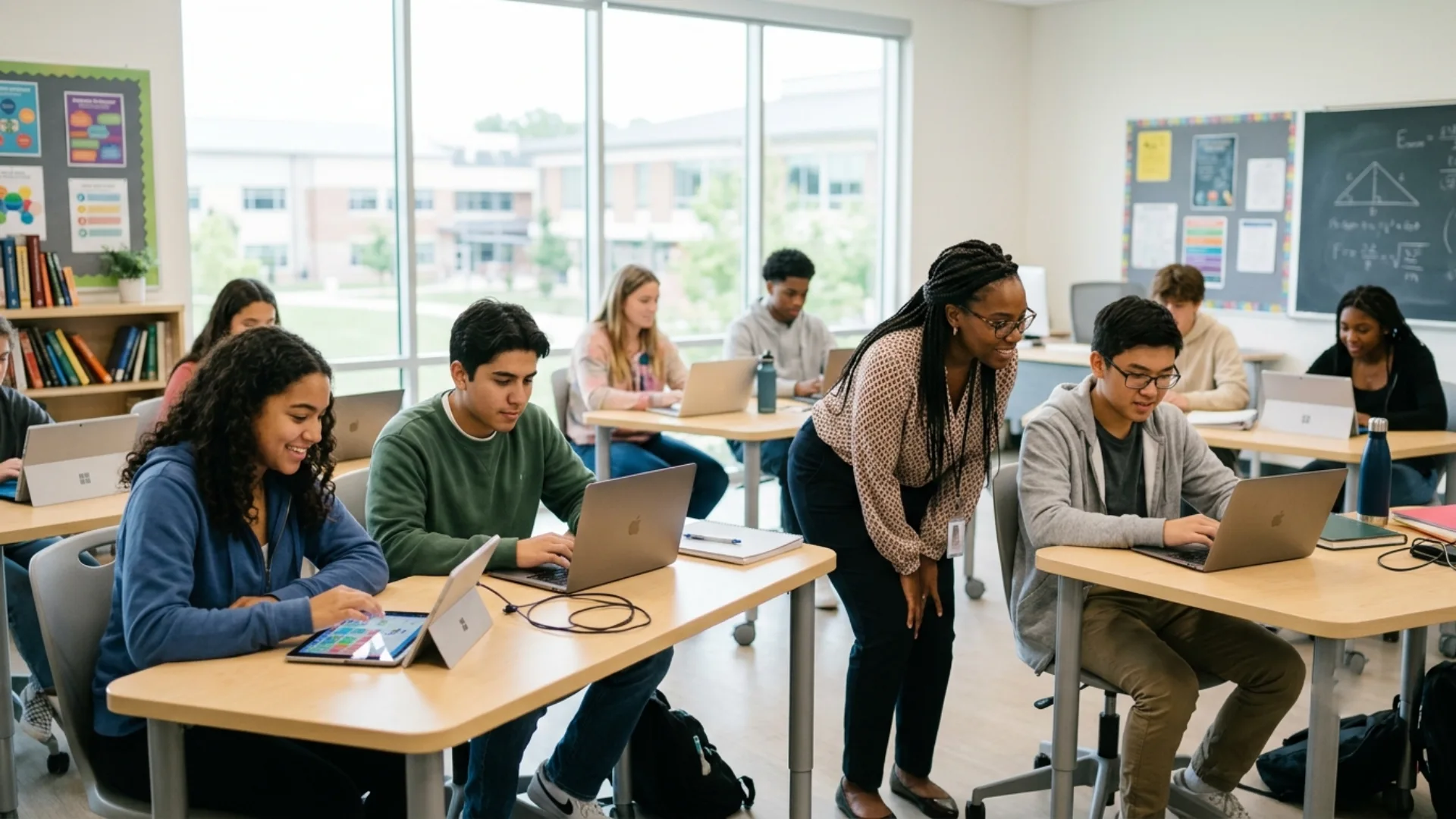
Learning is no longer limited to textbooks and classroom lectures. Students can access educational videos, digital libraries, virtual discussions, and interactive activities from almost anywhere, while teachers can monitor progress and provide personalized support based on each student’s learning pace.
Why Technology Has Become an Essential Part of Modern Learning
Furthermore, schools and universities utilize technology to facilitate the distribution of tasks, study materials, and communication with students. In addition, it helps in class management and enables students to have access to these educational resources anytime.
Some of the biggest advantages include:
- Learning from any location with an internet connection.
- Access to updated educational resources at any time.
- Better communication between students and teachers.
- More engaging lessons through multimedia content.
- Flexible study schedules that fit individual needs.
Different Ways Students Learn More Effectively with Technology
Collaborative Learning
In digital classrooms, there are collaborative opportunities that exist through the use of documents, discussion boards, and virtual group projects. Collaboration will improve the communication abilities of the students, in addition to solving problems by working together with peers.
Collaboration allows for group work regardless of whether all of the participants are physically present or not.
AI-Powered Active Learning
An AI quiz generator helps students reinforce what they have learned by automatically creating practice questions from lecture notes, textbooks, or other study materials. Instead of spending time writing their own questions, students can quickly test their understanding, identify knowledge gaps, and prepare more effectively for exams.
Context-Based Learning
It also facilitates the ability for learners to relate classroom content to real-life scenarios through the use of such tools as educational videos, virtual labs, interactive maps, and simulations.
By relating concepts in class to actual life, students can learn without rote learning and consequently become more interested in learning, as well as improving their analytical abilities.
Learning With Multimedia
Multimedia uses text, images, animations, videos, and sound to describe things from multiple angles. Most students find it easier to learn complicated things using both visual and auditory information rather than through the written word alone.
Studies have found that multimedia is effective in engaging students due to its ability to cater to various learning types. Visual learners would prefer video clips and diagrams, whereas auditory learners would prefer lectures and podcast lessons.
Benefits of Technology That Improve Student Learning
Students Can Learn at Their Own Pace
Every learner doesn’t grasp the new ideas at the same pace. The digital learning systems give learners an opportunity to stop the lesson, replay the lecture, and learn the challenging aspects whenever they want.
Self-paced learning eliminates the pressure from the students while providing sufficient time for grasping all the ideas.
Faster Feedback Leads to Better Results
Instead of waiting days for their graded assignments, learners receive instant feedback from online quizzes and tests. Instant feedback enables students to identify areas where they made mistakes and learn better before bad practices are formed.
The instructors benefit too since the automated assessment will save them lots of time in marking the tests.
Personalized Support for Every Learner
Modern educational applications assess the performance of the learners and give recommendations for the activities according to their strengths and weaknesses. This enables poor-performing learners to practice more and the fast learners to learn further without hindrance.
Technology helps learners with different learning requirements through the provision of facilities like subtitles, screen readers, variable font size, and voice recognition technologies.
Using Technology Effectively in Today’s Classroom
Equally important is the selection of the proper technology. It should help achieve the educational goals set, promote engagement, and facilitate learning without distractions.
Teachers can enhance classroom learning by:
- Identifying goals before introducing any technologies.
- Using technology as a means for collaborative discussion.
- Balancing screen time with practical class activities.
- Evaluating students’ progress digitally.
- Educating students on the proper use of technology.
How AI Is Making Learning Smarter for Students
Verifying AI-generated content with trusted educational sources helps students build a better understanding of topics and avoid learning incorrect information.
Improved Organization and Time Management
Technologies like digital calendars, alarms, and learning management systems will enable students to organize themselves better, which will ensure regularity in their studies.
Moreover, they will be able to synchronize their study material on various devices and therefore have access to all of that, no matter where they are.
Instant Access to Reliable Learning Resources
Due to the internet, educational material is now accessible to students from across the globe. Libraries, journals, educational sites, and videos of lectures are among the sources for gaining education that lie beyond classroom textbooks.
But at all times, students must be careful in using online resources and use only reliable sources of education.
Positive Ways Technology Shapes Student Success
The benefits of using technology in studies can be seen in the form of increased comfort in searching for information and presenting ideas digitally.
Long-term benefits of using technology in education include:
- Advanced digital literacy.
- Communication and collaboration.
- Increased confidence in self-learning.
- Enhanced research and information analysis.
- Increased creativity in digital projects.
Challenges Students Should Be Aware Of
Parents and teachers have a responsibility to guide students in adopting the right attitude toward the use of technology, which will guarantee that technology is used for educational purposes.
The Future of Technology in Student Learning
While schools start implementing modern technologies into the educational process, the opportunities for students to learn not only academic information but also digital skills necessary for future work increase. However, the implementation of technology should be wise.
Conclusion
Combined with effective teaching methods, technology fosters creativity and critical thinking. As educational technology continues to advance, it will further support both academic achievement and future professional success.
Disclaimer : If you buy something through our links, we may earn an affiliate commission or have a sponsored relationship with the brand, at no cost to you. We recommend only products we genuinely like. Thank you so much.
Blog Label:



Write for us
Publish a Guest Post on Pixflow
Pixflow welcomes guest posts from brands, agencies, and fellow creators who want to contribute genuinely useful content.
Fill the Form ✏