The Future of AI Video Generation: Trends to Watch
- 1. From Visual Quality to Controllability
- 2. Character and Scene Consistency Will Become a Core Capability
- 3. Longer Videos Will Be Built as Connected Scenes
- 4. AI Video Will Become More Multimodal
- 5. Native Audio Will Become Part of Video Generation
- 6. Real-Time and Interactive Video Generation
- 7. AI Video Generation Will Become a Workflow, Not a Single Model
- 8. Video Editing Will Merge With Video Generation
- 9. AI Video Will Move Closer to Production-Ready Content
- 10. Provenance and Copyright Will Become Part of the Workflow
- What Will Matter Most in the Next Generation
- Conclusion: From Video Generation to Video Creation Systems
Base visual quality has improved dramatically, but complex storytelling, persistent characters and objects, physical realism, and long-scene coherence remain clear weak points. Stanford’s AI Index 2026 report specifically notes that current models still struggle with complex narratives and consistent object/scene dynamics across time. That gap — not raw pixel quality — is where the next generation of tools will compete.
1. From Visual Quality to Controllability
A visually impressive clip is still commercially useless if the camera angle is wrong, a product is misplaced, or a character’s outfit changes mid-shot. This is why development is shifting from pure text-to-video toward fine-grained controllable generation — camera control, motion control, character control, object control, reference images, start/end frame control, and pose guidance. The next generation of AI Video Generator tools will behave less like prompt boxes and more like digital directing systems.
2. Character and Scene Consistency Will Become a Core Capability
The industry focus is moving from single-shot generation to multi-shot consistency, with identity conditioning, reference-based generation, cross-shot memory, and persistent objects treated as 2026’s key priorities. The goal isn’t generating more video — it’s getting AI to remember what already happened in the story.
3. Longer Videos Will Be Built as Connected Scenes
Long-form output is more likely to emerge from connecting generated scenes than from one continuous generation, simply because longer duration means more state to track — characters, environments, camera continuity, and audio all compound over time. Long-horizon consistency remains an open research challenge.
4. AI Video Will Become More Multimodal
A user might supply a product photo, a character reference image, a motion clip, a voice sample, and a camera instruction — all combined into one generation. Text is no longer the only input; models like MiniMax H3 already accept text, image, video, and audio inputs alongside editing and motion-transfer features. This turns the AI video generator into a multimodal production interface rather than a simple text-to-video box.
5. Native Audio Will Become Part of Video Generation
6. Real-Time and Interactive Video Generation
7. AI Video Generation Will Become a Workflow, Not a Single Model
The future of AI video may be orchestration rather than single-model generation — 2026 generative media reports already describe enterprise deployments coordinating multiple specialized models, with the real production unit shifting from “a model” to “a workflow,” especially for longer content.
8. Video Editing Will Merge With Video Generation
9. AI Video Will Move Closer to Production-Ready Content
10. Provenance and Copyright Will Become Part of the Workflow
What Will Matter Most in the Next Generation
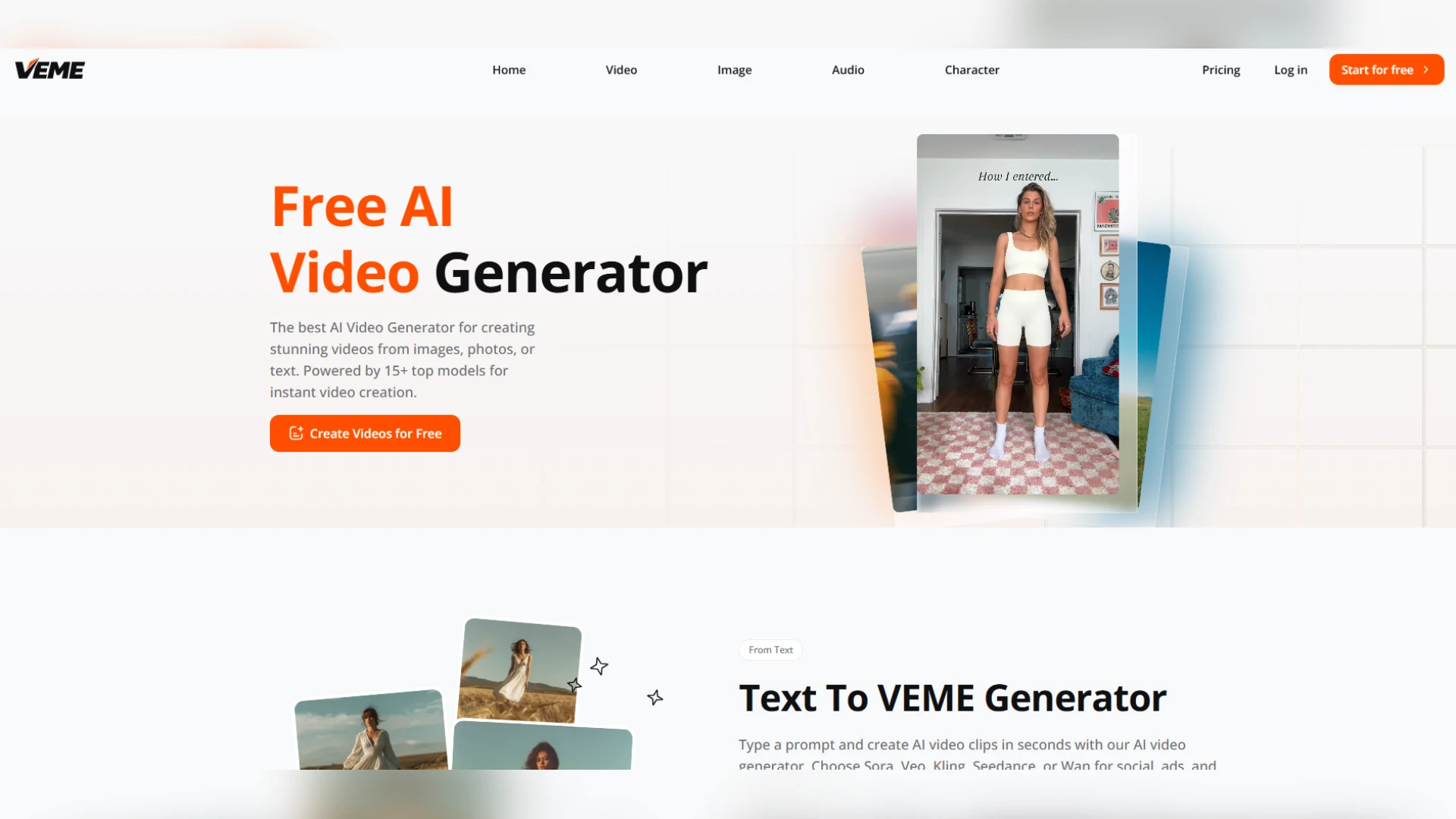
Platforms such as VEME reflect one practical direction of this shift, combining AI-generated presenters, scripting, and voice into a more integrated production workflow rather than a single-purpose generator.
Conclusion: From Video Generation to Video Creation Systems
Disclaimer : If you buy something through our links, we may earn an affiliate commission or have a sponsored relationship with the brand, at no cost to you. We recommend only products we genuinely like. Thank you so much.
Blog Label:



Write for us
Publish a Guest Post on Pixflow
Pixflow welcomes guest posts from brands, agencies, and fellow creators who want to contribute genuinely useful content.
Fill the Form ✏