How AI Video Generators Fit into Modern Video Editing Workflows
- What Is an AI Video Generator?
- Why AI Video Generation Is Becoming Part of Modern Editing Workflows
- How AI Video Generators Improve Video Editing Efficiency
- Integrating AI Video Generators with Professional Editing Software
- Best Practices for Using AI Video Generators in Professional Workflows
- Why Human Creativity Still Matters
- The Future of AI Video Editing Workflows
- Final Thoughts
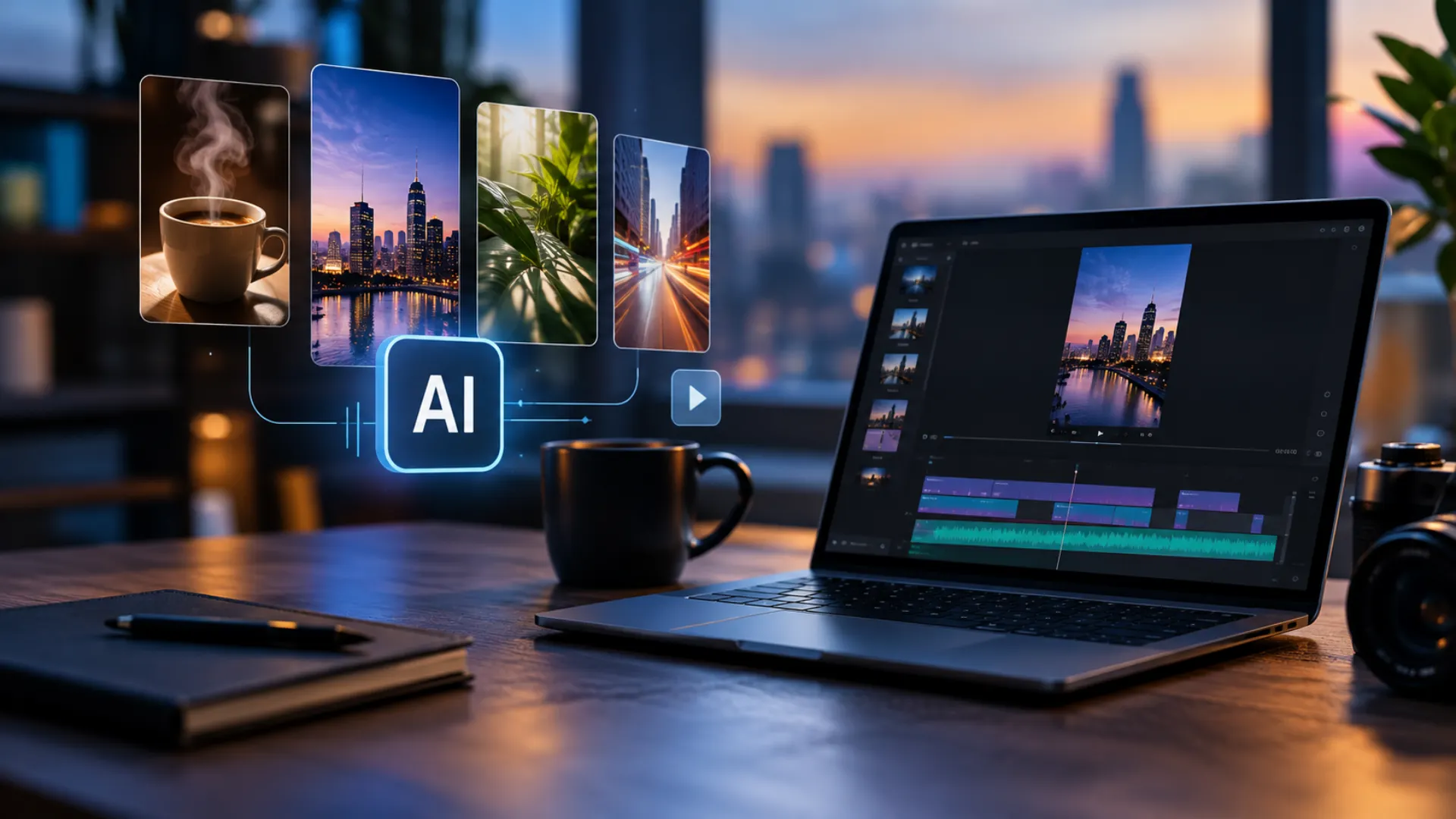
This shift has encouraged many professionals to explore new tools that simplify repetitive tasks without compromising creative control. Among the most influential developments is the AI Video Generator, which has become an increasingly valuable part of modern video production. Rather than replacing editors or filmmakers, these tools help speed up time consuming processes such as creating visual concepts, generating B-roll, producing short promotional clips and experimenting with different creative directions before final editing begins.
Today’s creators are expected to produce more content than ever before. Brands want regular social media campaigns, businesses need product demonstrations, educators require engaging learning materials and content creators often publish multiple videos every week. Managing this workload using only traditional editing methods can be challenging, especially for freelancers and small creative teams working with limited resources.
This is where AI powered workflows are making a noticeable difference. Platforms such as Higgsfield demonstrate how artificial intelligence can support video production by helping creators move from an initial idea to visual content more efficiently. Instead of spending hours building every scene from scratch, editors can focus more on storytelling, pacing and refining the final production.
In this article, we’ll explore how an AI Video Generator fits into today’s editing workflows, where it provides the greatest value and why many creators now view it as a practical creative assistant rather than a replacement for professional editing skills.
What Is an AI Video Generator?
Unlike traditional editing software, which focuses on arranging and refining footage, AI video generation helps creators produce visual assets before or during the editing process. This makes it useful for brainstorming concepts, creating placeholder footage, generating B-roll, or quickly visualising ideas that would otherwise require additional filming.
Modern platforms can assist with a variety of production tasks, including:
- Creating videos from text prompts
- Generating cinematic B-roll
- Producing marketing visuals
- Creating social media content
- Developing concept videos and storyboards
- Experimenting with different visual styles
Solutions such as Higgsfield continue to expand these capabilities, giving creators more flexibility while allowing them to maintain full control over the final edit. Rather than replacing professional editing software, an AI Video Generator works alongside existing tools to make production faster and more efficient.
Why AI Video Generation Is Becoming Part of Modern Editing Workflows
There are several reasons, one of which is the increasing demand for content. With businesses, agencies and independent creators typically having a number of videos to produce each week, there is less time for long production cycles. An AI Video Generator can alleviate some of this pressure by generating draft visuals, creative ideas, or backup footage significantly quicker than traditional methods would take.
AI also enables editors to be more creative. Instead of devoting hours to multiple iterations of the same idea, creators can now brainstorm and explore various concepts, compare the visual styling and make a decision on which approach will aid in the storytelling process before entering into the detailed editing phase. Today, however, new tools like Higgsfield can assist creators with this process and make it easier to produce visual assets in the initial phase of the production process.
This can be particularly useful for smaller creative teams who work on multiple projects simultaneously. The editors can save time on certain aspects of the production process and focus more on storytelling, colour grading, sound design, pacing and creative decisions that make a video personal.
AI has not transformed the job of the editor, however. Despite the advances in technology that go into any successful project, human judgment, creative vision and technical skill are still essential. The technology merely takes away some of the repetitive work and creators could concentrate on making videos that resonate with their audience, not squander precious hours on tedious production jobs.
Where AI Video Generators Fit in the Video Production Process
An AI Video Generator delivers the greatest value when it becomes part of an existing production workflow rather than replacing it. Professional editors still rely on planning, filming, editing and post production to create polished videos, but AI can make each stage more efficient by reducing repetitive work and speeding up creative experimentation.
Pre Production
Every great video begins with a solid plan. Before filming starts, creators develop ideas, write scripts and map out scenes. An AI Video Generator can quickly create storyboards, concept visuals and sample scenes, making it easier to refine ideas and get faster client approvals.
Production Support
Not every scene needs to be filmed manually. An AI Video Generator can produce B-roll, background visuals, cinematic transitions and supporting footage that blends with existing content. This helps creators save time and reduce production costs.
Post Production
AI becomes especially useful during editing. It can generate additional visuals, alternative scenes, or motion backgrounds, reducing the need for reshoots. Editors can then spend more time on storytelling, pacing, colour grading and polishing the final video.
How AI Video Generators Improve Video Editing Efficiency
One of the biggest advantages is reducing repetitive work. Editors no longer need to create every supporting visual manually or spend hours searching for suitable stock footage. AI can generate creative assets much faster, allowing projects to move forward without interrupting the editing process.
Another benefit is faster revisions. Client feedback frequently leads to changes in visuals, pacing, or creative direction. Instead of rebuilding entire sequences from scratch, editors can quickly generate alternative scenes and continue refining the project with minimal disruption.
AI also supports better collaboration within creative teams. Designers, editors, marketers and producers can review visual concepts early in the process, making it easier to align ideas before significant editing begins.
Platforms such as Higgsfield demonstrate how AI assisted video creation fits naturally into professional workflows. Rather than replacing editing software, these tools help creators produce supporting visuals more efficiently, allowing more time for storytelling, creative refinement and delivering high quality final productions.
Common Use Cases for AI Video Generators
The flexibility of an AI Video Generator makes it useful across many industries and content formats. Rather than serving a single purpose, it supports creators at different stages of production, helping them produce engaging visuals while saving valuable time.
Social Media Content
Short form platforms demand frequent, visually engaging content. Instead of creating every video from scratch, creators can use AI to generate eye catching clips, transitions, or supporting visuals for Instagram Reels, TikTok, YouTube Shorts,and LinkedIn posts. This helps maintain a consistent publishing schedule without sacrificing quality.
Marketing and Advertising
Marketing teams often work under tight deadlines while producing content for multiple campaigns. AI generated visuals can support product launches, promotional videos, seasonal campaigns and brand announcements. By reducing production time, teams can focus more on messaging, audience engagement and campaign performance. Platforms such as Predis.ai take this further by turning a product idea into social media videos, ad creatives and posts in one place.
Product Demonstrations
Businesses frequently create videos to showcase products, software, or services. An AI Video Generator can help produce visual demonstrations, animated sequences and supporting footage that make explanations easier to understand while giving presentations a more polished appearance.
Educational and Training Videos
Educational institutions, trainers and online course creators regularly produce instructional content. AI generated visuals can simplify complex topics, illustrate concepts and make lessons more engaging without requiring extensive production resources.
YouTube and Content Creation
Many YouTube creators publish content several times each week. AI tools can assist with generating B-roll, visual sequences, introductions, or scene variations, allowing creators to spend more time refining their storytelling instead of repeating production tasks.
Integrating AI Video Generators with Professional Editing Software
With its AI Video Generator, creators can quickly produce cinematic scenes, visual concepts, AI generated B roll and creative sequences that support their projects. These assets can be used during planning, production, or post production to reduce repetitive work and accelerate content creation.
Higgsfield is particularly valuable for creators producing social media videos, advertisements, product showcases and marketing campaigns where fast turnaround is essential. Rather than spending hours creating every supporting visual manually, editors can generate high quality assets in minutes and refine them as part of their creative workflow.
By combining intelligent automation with creative control, Higgsfield helps streamline video production without taking away the editor’s role. The result is a faster, more efficient workflow that allows creators to spend more time developing ideas and delivering polished, engaging videos.
Best Practices for Using AI Video Generators in Professional Workflows
Begin with a clear creative direction: Whether producing a commercial, tutorial, or social media campaign, defining the video’s objective before generating content usually leads to more relevant results.
Treat AI as a creative assistant, not the final editor: Generated footage should support the project rather than replace careful editing. Human judgement remains essential when selecting scenes, adjusting pacing and shaping the story.
Review every generated asset carefully: AI generated visuals should be checked for consistency, accuracy and quality before they become part of the final production. Small refinements often make a noticeable difference.
Maintain a consistent visual style: Colour grading, typography, transitions and branding should remain uniform throughout the project, regardless of whether footage was captured traditionally or created with AI.
Finally, continue developing editing skills alongside AI workflows. Strong storytelling, creative decision making and technical expertise remain the qualities that separate average videos from memorable productions. AI can make production faster, but it is the creator who gives the final video its unique identity.
Why Human Creativity Still Matters
An AI Video Generator can create images, sketch ideas, or add footage, but it can’t fully grasp a brand’s tone or a client’s vision, or the emotional impact that a video should evoke. These are still made by directors, editors, designers and content creators.
Editors determine the flow of the scenes, when to cut, where to cut, when to emphasize the action and how music, colour and timing interact to make for a good experience. These imaginative decisions make individual clips into meaningful stories.
Tools like Higgsfield offer creators a way to leverage AI capabilities while still retaining control. The technology aids in simplifying the production and human creativity creates something unique and impactful.
The Future of AI Video Editing Workflows
AI will create more accurate visuals, facilitate quick revisions, aid creative teams with collaboration and streamline repetitive production tasks. AI tools like Higgsfield are already demonstrating how AI can seamlessly integrate into the professional video production workflow, enabling creators to produce high quality video materials more efficiently.
Meanwhile, a good skill of the editor will not be redundant. No one can automate storytelling, cinematography, creative direction or audience understanding. AI will further improve the production process, but the vision behind each project and idea that is successful will always be in the hands of humans.
Final Thoughts
The AI Video Generator tool is a valuable addition to this process, as it can help brainstorm ideas, develop visuals, streamline revisions and minimize repetitive production activities. When used judiciously, it enables editors to concentrate on the creative, experienced and storytelling portions of film production.
As the AI technology progresses, those who can make the most of the technology and still make artistic decisions will be the ones who will be successful. While solutions such as Higgsfield show the power of AI in contemporary video production, the best video is still the one created by a creator, who is using technology to amplify their ideas, rather than replace them.
In the end, it’s not a matter of AI versus human creativity; it’s a question of how these two can work together to make the most effective video edits. It’s about combining both to create faster, smarter and more engaging production workflows to align with the increasingly digital media landscape.
Disclaimer : If you buy something through our links, we may earn an affiliate commission or have a sponsored relationship with the brand, at no cost to you. We recommend only products we genuinely like. Thank you so much.
Blog Label:



Write for us
Publish a Guest Post on Pixflow
Pixflow welcomes guest posts from brands, agencies, and fellow creators who want to contribute genuinely useful content.
Fill the Form ✏